
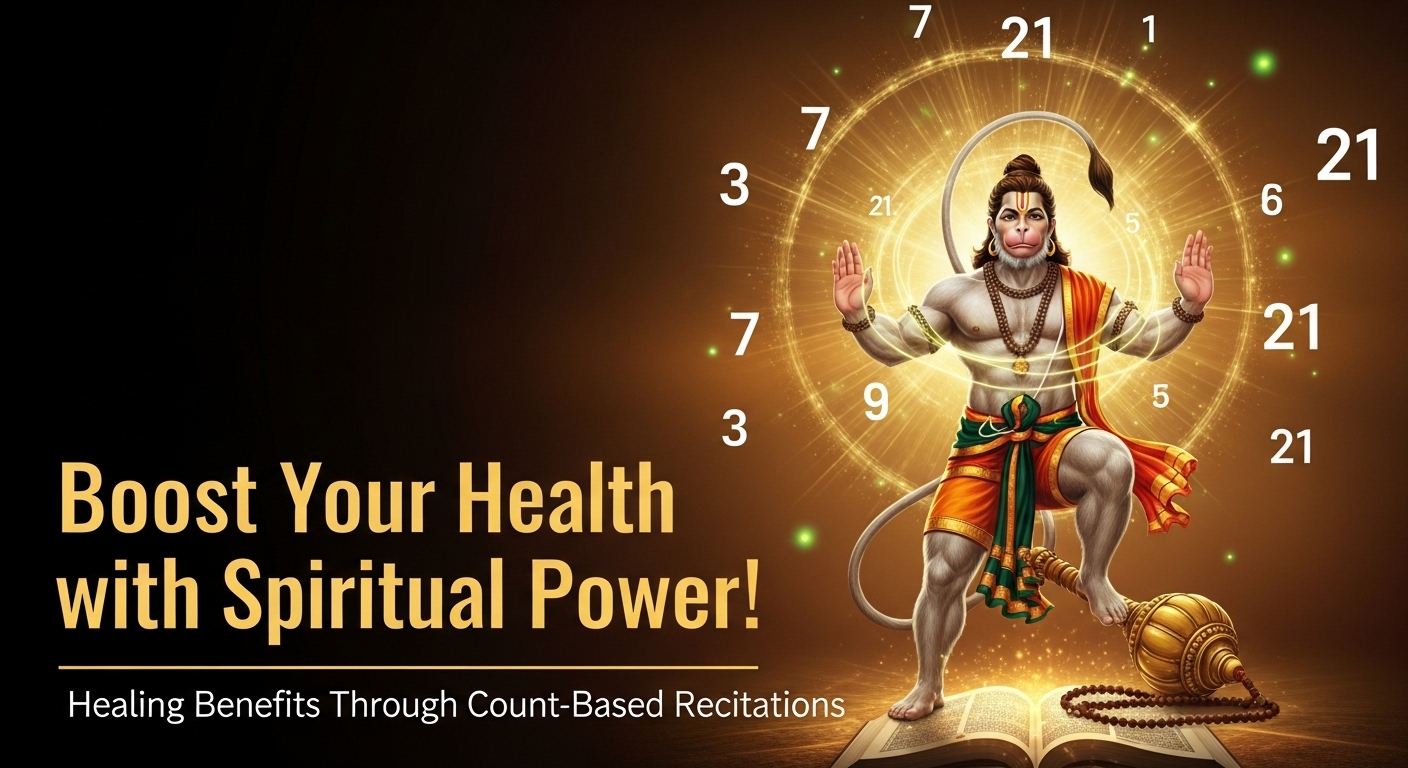
The Hanuman Chalisa is one of the most recited devotional hymns in Hindu tradition, composed by Tulsidas in praise of Hanuman. While it is primarily known as a spiritual text, many devotees believe it also holds powerful healing vibrations. Across generations, people have turned to its rhythmic verses not only for courage and protection but also for physical, emotional, and mental well-being. A particularly fascinating aspect of this tradition is the idea of count-based recitation, where specific numbers of repetitions are believed to bring specific health benefits.
In this blog, we explore how count-based remedies using the Hanuman Chalisa are understood, why numbers matter, and how individuals incorporate this practice into their wellness routines.
The Spiritual Foundation of Healing Through Chanting
Sound has long been considered a source of healing in many cultures. In the Hindu tradition, sacred sound or “Naad” carries transformative energy. The Hanuman Chalisa, composed in Awadhi, contains forty verses filled with devotion, strength, and surrender. Reciting it rhythmically creates vibrations that are believed to calm the nervous system, regulate breathing, and center the mind.
From a psychological perspective, repetitive chanting reduces stress and anxiety. When the mind focuses on a single sacred text, distractions fade, heart rate stabilizes, and breathing deepens. This meditative state encourages the body to activate its natural healing responses. For believers, the divine grace of Hanuman further enhances this effect, providing both spiritual and emotional reassurance.
Why Count Matters in Hanuman Chalisa Recitation
In many spiritual traditions, numbers carry symbolic and energetic significance. Repetition strengthens intention. When devotees chant the Hanuman Chalisa a specific number of times, they combine faith with disciplined practice. The count acts as a structure that deepens concentration and commitment.
Count-based remedies are not random. They are rooted in traditional numerology, astrology, and devotional customs. Certain numbers are associated with planetary influences, days of the week, or specific intentions such as health recovery, mental clarity, or protection from negative influences.
By setting a count, practitioners create a focused spiritual goal. The act of completing a certain number of recitations instills determination, consistency, and hope—qualities that themselves support healing.
11 Times for Daily Health Protection
One of the most common recommendations is reciting the Hanuman Chalisa 11 times daily. The number 11 is considered spiritually powerful and manageable for regular practice. Devotees believe that chanting it 11 times each morning creates a protective shield against illness and negative energy.
From a wellness perspective, this practice builds routine. Spending 20 to 30 minutes in focused chanting can lower stress hormones and promote emotional stability. Regular repetition also strengthens positive belief patterns, which may indirectly influence overall health.
This count is ideal for those seeking preventive care rather than treatment. It supports balance, resilience, and sustained vitality.
21 Times for Strength and Recovery
The number 21 is often associated with determination and overcoming obstacles. Many people recite the Hanuman Chalisa 21 times when recovering from illness or surgery. The intention behind this count is to invoke strength, stamina, and faster healing.
Chanting 21 times requires more time and dedication, which intensifies concentration. The longer meditative engagement encourages deeper relaxation, reducing anxiety often associated with health challenges. For patients facing prolonged recovery, this structured devotional act offers emotional support and hope.
Though not a replacement for medical treatment, believers consider it a complementary spiritual effort that enhances inner strength.
40 Times for Major Health Challenges
The Hanuman Chalisa contains forty verses, and the number 40 holds symbolic importance. Some traditions recommend chanting it 40 times over a specific period, such as 40 consecutive days, for serious health concerns.
This disciplined observance resembles a spiritual vow. The practitioner commits to consistency, purity of intention, and faith. Such dedication fosters mental resilience. Facing illness often creates fear and uncertainty, and a 40-day practice offers structure during chaotic times.
From a behavioral perspective, committing to a daily spiritual discipline for 40 days can rewire thought patterns, replacing worry with courage and despair with trust.
108 Times for Deep Spiritual and Physical Cleansing
The number 108 is sacred in Hinduism and appears frequently in meditation practices. Chanting the Hanuman Chalisa 108 times is considered an intense spiritual undertaking, usually performed with the help of prayer beads.
This count is believed to create powerful vibrational energy that cleanses both mind and body. Because it requires several hours or is spread across days, it demands immense focus and devotion. Such extended chanting induces profound meditative states.
Physiologically, extended chanting regulates breathing patterns and stimulates the parasympathetic nervous system. This response reduces inflammation and supports immune function. Spiritually inclined practitioners describe it as a complete reset of mental and emotional energies.
Tuesday and Saturday Recitations for Health
Apart from counts, timing also plays a role. Tuesday and Saturday are traditionally associated with Hanuman. Many devotees increase their recitation count on these days when praying for health improvements.
For example, chanting 11 times daily and 21 times on Tuesdays and Saturdays is a common practice. This rhythm builds weekly spiritual intensity, reinforcing intention.
Establishing fixed days for focused prayer creates anticipation and discipline. The mind associates these days with healing energy, strengthening positive belief systems that influence emotional health.
Mental Health Benefits of Count-Based Chanting
Beyond physical wellness, the Hanuman Chalisa is widely regarded as a remedy for anxiety, fear, and depression. Count-based chanting introduces predictability and measurable progress. Completing a set number provides a sense of achievement.
Repetitive recitation acts similarly to mindfulness meditation. It anchors attention, reduces intrusive thoughts, and cultivates calm. For individuals struggling with stress-related disorders, chanting 11 or 21 times daily may serve as a grounding technique.
Faith amplifies the psychological impact. Believing in divine protection reduces feelings of helplessness, which significantly affects mental health outcomes.
The Role of Intention and Faith
While counts are important, tradition emphasizes intention even more. Mechanical repetition without devotion is believed to limit effectiveness. Before beginning a count-based remedy, practitioners usually set a clear intention for health and well-being.
Intention directs mental energy. When combined with faith, it reinforces optimism. Research in positive psychology shows that hopeful belief systems can influence recovery rates and stress resilience.
In this way, count-based chanting becomes a partnership between disciplined effort and spiritual surrender.
Creating a Personal Hanuman Chalisa Health Routine
For those interested in trying this practice, starting small is recommended. Begin with 11 recitations daily for one week. Observe emotional and mental changes. Gradually increase to 21 if seeking deeper engagement.
Choose a quiet space. Sit comfortably with an upright posture. Focus on clear pronunciation and steady breathing. Some prefer lighting a lamp or incense to create a sacred atmosphere, though this is optional.
Consistency matters more than speed. Rushing through counts diminishes concentration. Slow, mindful recitation strengthens both spiritual connection and relaxation benefits.
Scientific Perspective on Chanting and Healing
Although count-based remedies stem from tradition, modern science supports aspects of repetitive prayer and chanting. Studies on mantra meditation show reduced cortisol levels, improved heart rate variability, and enhanced immune markers.
Chanting regulates breath cycles, increasing oxygen flow and calming the autonomic nervous system. These physiological effects can support recovery from stress-related ailments.
While science does not measure divine intervention, it acknowledges the measurable impact of sound vibration, repetition, and belief on human health.
Balancing Devotion with Medical Care
It is essential to understand that the Hanuman Chalisa should complement, not replace, medical treatment. Devotees often combine prayer with doctor-recommended therapies.
Faith-based practices strengthen emotional resilience, which supports medical recovery. Patients who maintain hope and positivity frequently cope better with illness.
Count-based chanting serves as spiritual support, not a substitute for professional care.
Testimonials and Traditional Beliefs
Across India and among global Hindu communities, countless devotees share stories of health improvements after disciplined recitation. While these accounts are personal and faith-driven, they reinforce the cultural belief in the Chalisa’s protective power.
Generations pass down these count-based remedies, preserving both devotion and communal identity. The shared belief system itself creates emotional comfort and belonging, both crucial for mental well-being.
Final Thoughts on Count-Based Healing
The Hanuman Chalisa for health is a blend of devotion, discipline, and intention. Count-based remedies provide structure to faith, turning prayer into a measurable commitment. Whether chanting 11 times for daily protection, 21 times for recovery, 40 times for serious challenges, or 108 times for deep cleansing, the power lies in consistency and belief.
At its heart, this practice nurtures courage, reduces fear, and fosters inner peace. In times of illness, these qualities are invaluable. While medical science treats the body, spiritual practices often soothe the mind and strengthen the spirit.
For many, the rhythmic verses of the Hanuman Chalisa become more than words. They become a source of strength, healing, and unwavering hope.
Frequently Asked Questions (FAQs)
1. Can Hanuman Chalisa really improve health?
The Hanuman Chalisa is primarily a devotional hymn composed by Tulsidas in praise of Hanuman. Many devotees believe its regular recitation promotes mental peace, emotional strength, and spiritual protection, which can positively influence overall health. However, it should be seen as a complementary spiritual practice, not a substitute for medical treatment.
2. How many times should I chant Hanuman Chalisa for health benefits?
Common count-based practices include chanting 11 times for daily protection, 21 times for recovery and strength, 40 times over 40 days for serious challenges, and 108 times for deep spiritual cleansing. The ideal number depends on your intention, time availability, and level of commitment.
3. Is there a specific time of day best for chanting?
Early morning (Brahma Muhurta) is traditionally considered ideal. However, you can chant at any time when you can focus peacefully. Many devotees also prefer Tuesdays and Saturdays, as these days are associated with Lord Hanuman.
4. Can I chant Hanuman Chalisa for someone else’s health?
Yes, many people chant with the intention of healing for family members or loved ones. Setting a clear intention before beginning your recitation is believed to strengthen the spiritual focus of the practice.
5. Do I need to follow any strict rules while chanting?
There are no rigid rules, but cleanliness, sincerity, and concentration are encouraged. Sitting in a calm place, maintaining steady breathing, and chanting with devotion enhance the experience.
6. What if I cannot complete the decided count in one sitting?
You may divide the count throughout the day. For example, if you plan to chant 21 times, you can complete 11 in the morning and 10 in the evening. Consistency matters more than finishing in a single session.
7. Is it necessary to understand the meaning of the verses?
Understanding the meaning can deepen your emotional and spiritual connection, but it is not mandatory. Even rhythmic chanting with faith is believed to create positive vibrations and mental calmness.
8. Can chanting help with anxiety and stress?
Many practitioners report reduced anxiety and improved emotional stability through regular recitation. The rhythmic repetition works similarly to meditation, calming the nervous system and helping regulate breathing patterns.
9. Should Hanuman Chalisa replace medical treatment?
No. Chanting should complement, not replace, professional medical care. It supports emotional resilience and spiritual strength while medical professionals address physical conditions.
10. How long does it take to see results?
There is no fixed timeline. Some people feel mental peace immediately, while others notice gradual emotional and spiritual improvements over weeks of consistent practice. The key factors are faith, discipline, and regularity.