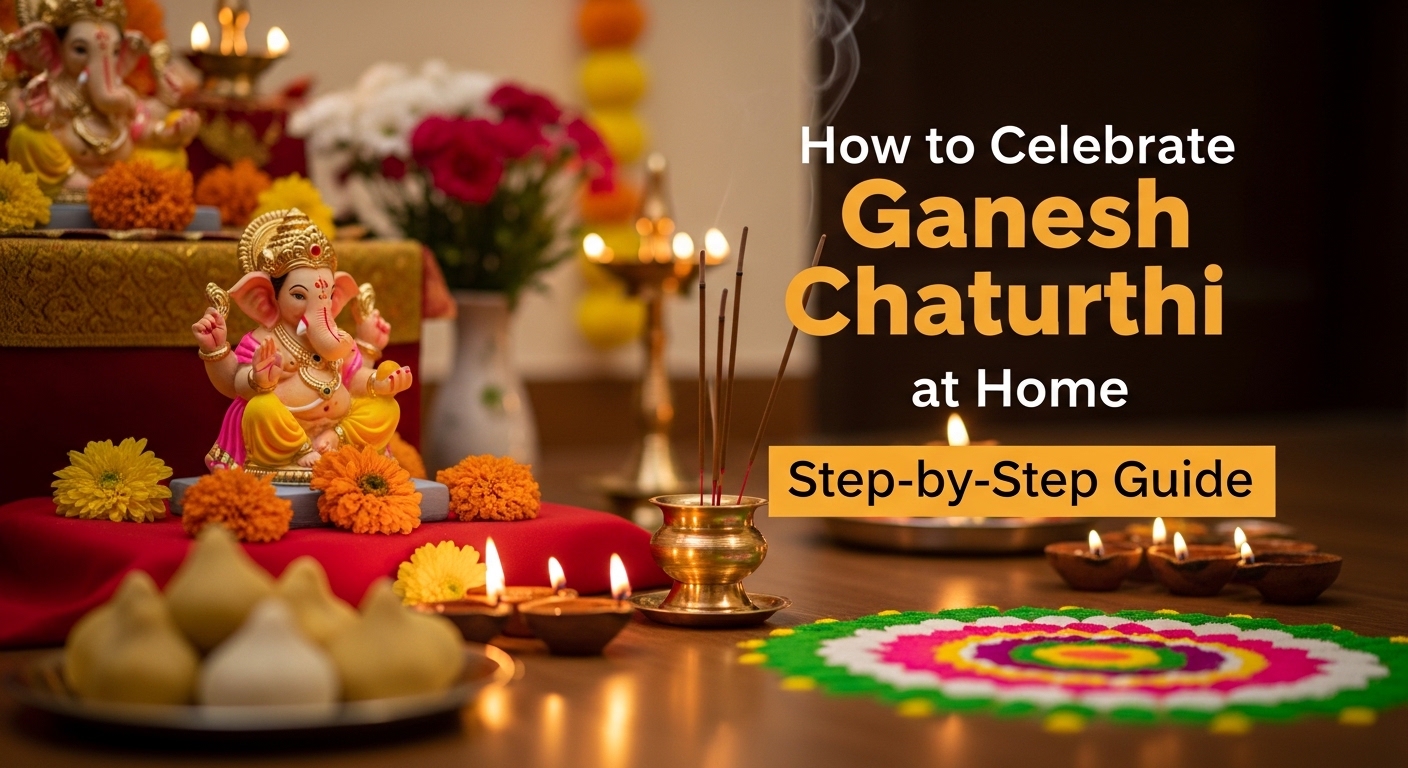
Ganesh Chaturthi, also known as Vinayaka Chaturthi, is one of the most beloved festivals in Hinduism. It is dedicated to Lord Ganesha, the elephant-headed god, who symbolizes wisdom, prosperity, and the removal of obstacles. Celebrated with grandeur across India, especially in Maharashtra, this festival has deep spiritual significance. While large public celebrations are common, celebrating Ganesh Chaturthi at home has become increasingly popular, allowing families to perform rituals and connect spiritually in a personal space. In this guide, we will walk you through a step-by-step process to celebrate Ganesh Chaturthi at home, ensuring a sacred, joyous, and eco-friendly experience.
1. Understanding the Significance of Ganesh Chaturthi
Before diving into the rituals, it is essential to understand why Ganesh Chaturthi is celebrated:
- Welcoming Lord Ganesha: The festival marks the birth of Lord Ganesha, who is worshipped as the remover of obstacles and the deity of wisdom and prosperity.
- New Beginnings: Ganesh Chaturthi is considered an auspicious time to start new ventures, projects, and spiritual practices.
- Cultural Significance: The festival fosters community bonding, devotion, and the practice of traditional rituals.
- Spiritual Lessons: It teaches devotion, patience, and the importance of removing negativity from one’s life.
2. Choosing the Idol: Size, Material, and Placement
The first step in home celebration is selecting an idol of Lord Ganesha. Consider the following:
- Material:
- Clay idols are preferred for an eco-friendly celebration. Avoid plaster of Paris (PoP) idols as they harm the environment during immersion.
- Size:
- Choose an idol that fits comfortably in your pooja space. Small idols are easier for daily worship at home.
- Placement:
- Place the idol on a clean, elevated platform facing East or North.
- Ensure the pooja area is tidy, quiet, and free from disturbances.
Tip: Decorate the pooja area with fresh flowers, rangoli, and lights to create a divine atmosphere.
3. Preparation for Ganesh Chaturthi Pooja
A. Cleaning and Decorating the Home
- Thoroughly clean the house, as purity is important for spiritual energy.
- Decorate the pooja area with flowers, garlands, lamps, and rangoli.
- Use eco-friendly decorations, such as marigold flowers and banana leaves.
B. Arranging Pooja Essentials
Prepare a pooja thali with:
- Incense sticks (Agarbatti) and diyas
- Fresh flowers
- Fruits and sweets, especially modaks (Lord Ganesha’s favorite)
- Pooja utensils, small bell, and holy water (Gangajal or clean water)
4. Ganesh Chaturthi Step-by-Step Ritual
Step 1: Sankalpa (Intention)
- Begin the pooja by taking a sankalpa, a statement of intention.
- Example:
“I meditate on Lord Ganesha, the remover of obstacles, and seek blessings for wisdom, prosperity, and spiritual growth.”
Step 2: Pranapratishtha (Invoking the Deity)
- Sprinkle holy water over the idol while chanting mantras like:
“Om Gan Ganapataye Namah”
- Visualize Lord Ganesha entering the idol, making it a divine presence in your home.
Step 3: Offering Flowers and Durva Grass
- Offer fresh flowers to the idol.
- Durva grass, a sacred type of grass, is especially auspicious for Ganesha.
Step 4: Lighting Lamps and Incense
- Light a diya and incense sticks.
- Perform Aarti, waving the light in a circular motion in front of the idol while chanting mantras or singing devotional songs.
Step 5: Offering Prasad (Sweets and Fruits)
- Offer modaks, ladoos, coconut, fruits, and other sweets to Lord Ganesha.
- Modaks are symbolic of spiritual bliss and prosperity.
Step 6: Reciting Mantras and Stotras
- Recite popular mantras such as:
- “Om Gan Ganapataye Namah”
- Ganesh Atharvashirsha (if you have time and inclination)
- These chants invoke divine energy and remove obstacles from life.
Step 7: Aarti Ceremony
- Perform the morning and evening aarti:
- Sing devotional songs or play a recorded aarti.
- Encourage family members to participate.
Step 8: Concluding the Pooja
- Conclude by thanking Lord Ganesha for blessings and seeking continued guidance.
- Distribute the prasad to family members.
5. Celebrating with Family and Community
Even at home, Ganesh Chaturthi can be a family-centered celebration:
- Involve children in decorating the pooja area.
- Organize storytelling sessions, narrating tales of Ganesha from the Puranas.
- Record videos or take pictures to share with friends and relatives online.
6. Eco-Friendly Ganesh Chaturthi Practices
With increasing environmental awareness, it is important to follow eco-friendly practices:
- Use Clay Idols: Natural clay dissolves in water without harming the environment.
- Natural Colors: Avoid chemical paints; use turmeric, sandalwood, or vegetable-based colors.
- Home Immersion: Instead of public water bodies, immerse the idol in a bucket or tank at home, then reuse the water for plants.
- Avoid Plastic: Use biodegradable decorations and avoid single-use plastics.
7. Duration of Ganesh Chaturthi at Home
Traditionally, Ganesh Chaturthi lasts 10 days, starting on Shukla Chaturthi and ending on Anant Chaturdashi. For home celebrations:
- 1-day Celebration: Perfect for small households or busy schedules.
- 3 to 5 Days: A balanced approach for families wanting more rituals.
- 10 Days: Full traditional celebration with daily prayers, Aartis, and rituals.
Tip: Regardless of duration, daily devotion and mindfulness are more important than the number of days.
8. Tips for a Meaningful Home Celebration
- Consistency in Prayer: Chant mantras and perform aarti at the same time daily.
- Personal Connection: Meditate for a few minutes in front of the idol, reflecting on removing obstacles in life.
- Teach Spiritual Values: Use the festival to educate children about morality, ethics, and devotion.
- Music and Bhajans: Play soothing bhajans or devotional songs to create a spiritual ambiance.
- Share Virtue: Donate sweets, clothes, or essentials to those in need as part of the festival spirit.
9. Interesting Facts About Ganesh Chaturthi
- Ganesh Chaturthi was popularized as a public festival in Maharashtra by Lokmanya Tilak in 1893 to unite people during the freedom struggle.
- Lord Ganesha is worshipped before any new venture as the remover of obstacles.
- Modaks symbolize spiritual sweetness and prosperity.
- Different regions have unique customs, but devotion and joy are universal.
10. Conclusion
Celebrating Ganesh Chaturthi at home allows you to connect spiritually with Lord Ganesha while enjoying a peaceful and meaningful festival. By following these step-by-step rituals, incorporating eco-friendly practices, and involving family members, you can experience the true essence of devotion, gratitude, and prosperity.
Remember, the heart of the festival lies in faith, love, and devotion, not just the rituals. Whether you celebrate for a day or ten days, the spiritual energy and positivity will fill your home, guiding you through obstacles and bringing wisdom into your life.
🙏 Final Tips:
- Keep your pooja area clean and serene.
- Offer prayers with sincerity and devotion.
- Use eco-friendly idols and decorations to honor nature.
- Share your celebration experiences with family and friends to spread joy and spirituality.
FAQs About Ganesh Chaturthi at Home
1. What is Ganesh Chaturthi?
Ganesh Chaturthi is a Hindu festival that celebrates the birth of Lord Ganesha, the elephant-headed god of wisdom, prosperity, and the remover of obstacles.
2. When is Ganesh Chaturthi celebrated?
It falls on the fourth day (Chaturthi) of the Hindu month of Bhadrapada, usually in August or September.
3. How long is Ganesh Chaturthi celebrated at home?
Traditionally, the festival lasts 10 days, but at home, people often celebrate for 1, 3, 5, or 10 days, depending on convenience and devotion.
4. How do I choose a Ganesh idol for home pooja?
- Choose a clay idol for eco-friendliness.
- Size should fit your pooja area comfortably.
- Place it facing east or north on a clean, elevated platform.
5. What offerings should I give to Lord Ganesha?
Offer modaks, ladoos, fruits, coconut, and flowers. Modaks are considered Lord Ganesha’s favorite sweet.
6. How do I perform Ganesh Chaturthi pooja at home?
- Clean and decorate the pooja area.
- Invoke the deity with mantras and perform prayers, aarti, and offerings.
- Recite Ganesh mantras or Atharvashirsha for blessings.
7. Can I celebrate Ganesh Chaturthi without an idol?
Yes, you can perform symbolic pooja using pictures or symbols of Lord Ganesha, focusing on devotion and intention.
8. How can I make Ganesh Chaturthi eco-friendly?
- Use clay idols instead of plaster of Paris.
- Avoid chemical paints.
- Use biodegradable decorations.
- Immerse idols in home water tanks or plant areas.
9. What is the significance of modaks in Ganesh Chaturthi?
Modaks symbolize spiritual sweetness, prosperity, and joy, as they are believed to be Lord Ganesha’s favorite offering.
10. Can I involve children in Ganesh Chaturthi celebrations?
Absolutely! Children can help decorate the pooja area, offer flowers, and participate in storytelling, teaching them devotion, morality, and cultural values.