
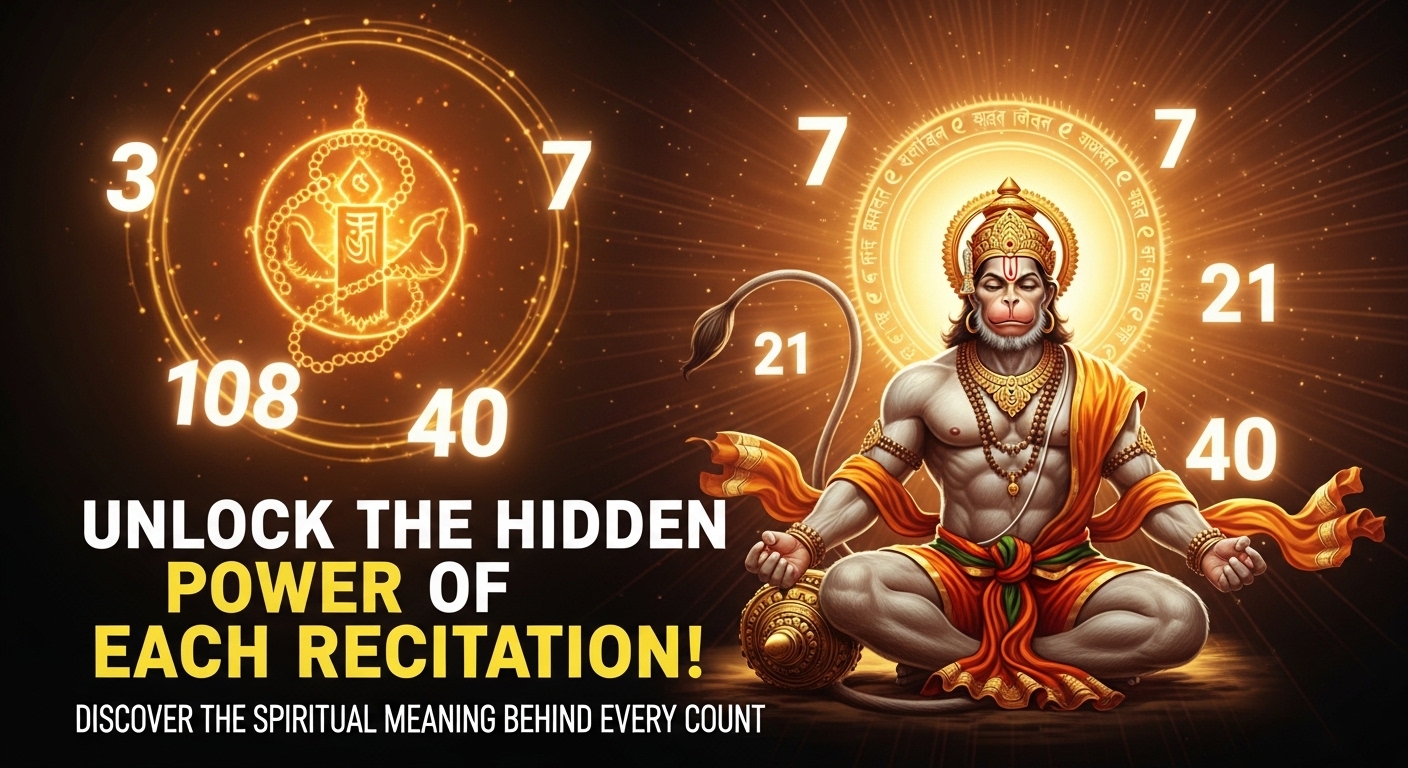
The Hanuman Chalisa is more than a devotional hymn. It is a rhythmic spiritual practice, a discipline of faith, and a powerful tool for inner transformation. Composed by Tulsidas in praise of Hanuman, the Chalisa consists of forty verses that celebrate strength, devotion, humility, and divine grace. While millions recite it daily, many may not fully understand the deeper significance behind the number of times it is chanted.
In spiritual traditions, numbers are not random. Each carries symbolic meaning and energetic vibration. When devotees chant the Hanuman Chalisa a specific number of times, they are not merely repeating verses. They are aligning themselves with spiritual patterns that influence intention, discipline, and consciousness.
In this article, we explore the hidden spiritual meanings behind popular Hanuman Chalisa counts and how each number shapes the devotee’s inner journey.
Why Counting Matters in Spiritual Practice
Repetition strengthens focus. In mantra traditions, count-based recitation creates structure and commitment. Counting ensures that devotion is disciplined rather than casual. It transforms prayer into a measurable vow.
Numbers in Hindu spirituality are deeply symbolic. They reflect cosmic patterns, planetary influences, and sacred geometry. When applied to chanting, these numbers intensify spiritual intention.
Counting also trains the mind. The act of completing a fixed number builds willpower and steadiness. Over time, this discipline becomes a form of meditation, shaping emotional stability and mental clarity.
The Sacred Power of 1 Recitation
Chanting the Hanuman Chalisa even once with full concentration holds spiritual value. The number one symbolizes unity and oneness with the divine. A single heartfelt recitation can shift emotional energy and create immediate calm.
Spiritually, one represents surrender. When a devotee chants once with pure devotion, they express complete faith in Hanuman’s protection. It reminds us that quality matters more than quantity.
The Meaning of 3 Recitations
The number three symbolizes balance between body, mind, and spirit. In Hindu philosophy, it reflects the three gunas—sattva, rajas, and tamas. Chanting three times daily can help harmonize these energies.
Spiritually, three recitations encourage alignment. The devotee centers their thoughts, actions, and emotions. It is a simple yet balanced practice for beginners seeking stability.
The Spiritual Significance of 7
Seven is associated with spiritual awakening and inner wisdom. It represents the seven chakras in yogic tradition. Chanting the Hanuman Chalisa seven times is believed to activate spiritual awareness and cleanse subtle energy centers.
This count encourages introspection. It supports those seeking mental clarity and emotional purification. Seven recitations often feel manageable yet spiritually powerful.
Why 11 Is a Popular Count
The number eleven carries strong spiritual vibration. It symbolizes intuition, awakening, and higher consciousness. Chanting the Hanuman Chalisa 11 times daily is one of the most common practices among devotees.
Eleven represents a gateway between the material and spiritual worlds. Completing 11 recitations builds rhythm and discipline without overwhelming the practitioner. It is often recommended for daily protection and steady spiritual growth.
Many people choose 11 as their lifelong daily count because it balances commitment with sustainability.
The Hidden Meaning of 21
Twenty-one represents determination and completion of intention. In many rituals, offerings are made in sets of 21 to signify wholehearted dedication.
Chanting 21 times deepens spiritual focus. It requires extended concentration, encouraging the mind to move beyond distraction. This count is often chosen during times of difficulty, when devotees seek courage and resilience.
Spiritually, 21 symbolizes a strengthened vow. It reflects seriousness of purpose and faith in divine support.
The Transformational Power of 40
The Hanuman Chalisa itself contains forty verses. The number 40 symbolizes purification and transformation. Many devotees undertake a 40-day chanting discipline, reciting 11 or 21 times daily without interruption.
Forty represents a cycle of inner cleansing. Committing to a 40-day practice builds consistency and strengthens mental endurance. Over this period, negative thought patterns gradually dissolve, replaced by courage and clarity.
Spiritually, the number 40 marks transition. It signifies leaving behind old fears and stepping into renewed confidence.
The Sacred Vibration of 108
The number 108 is deeply revered in Hindu spirituality. It represents cosmic wholeness. Prayer beads traditionally contain 108 beads, symbolizing the connection between the individual soul and universal consciousness.
Chanting the Hanuman Chalisa 108 times is considered an intense spiritual practice. It demands time, patience, and unwavering focus. This count is often chosen for major life challenges or profound spiritual growth.
Spiritually, 108 symbolizes completion and divine alignment. It reflects total surrender and dedication. Many devotees describe a powerful sense of peace after completing 108 recitations.
The Role of Repetition in Inner Transformation
Regardless of the chosen count, repetition reshapes consciousness. Each recitation reinforces themes of strength, humility, devotion, and fearlessness embodied by Hanuman.
With continued practice, the mind absorbs these qualities. Fear gradually transforms into courage. Doubt becomes faith. Restlessness becomes calm.
Counting also reduces mental wandering. The structured rhythm anchors attention, creating a meditative state. Over time, this consistent focus enhances emotional resilience.
Choosing the Right Count for Your Journey
There is no universal rule for selecting a count. Beginners may start with 3 or 7 recitations to build comfort. Those seeking daily protection often adopt 11 as a steady practice. Individuals facing challenges may choose 21 or a 40-day cycle.
Advanced practitioners may undertake 108 recitations during special occasions or spiritual retreats. The key is sincerity. A smaller count performed consistently holds more value than a larger count done irregularly.
Listening to your intuition can guide you. Spiritual growth thrives on authenticity rather than comparison.
The Psychological Impact of Count-Based Devotion
Modern psychology recognizes the benefits of repetitive prayer and structured habits. Count-based chanting builds routine, which reduces anxiety and creates a sense of control.
Completing a set number offers measurable progress. It fosters discipline and self-trust. When individuals see themselves fulfilling commitments, confidence grows.
The rhythmic sound vibration also regulates breathing and calms the nervous system. This physiological relaxation enhances emotional well-being.
Beyond Numbers: The True Essence
While numbers hold symbolic meaning, the essence of the Hanuman Chalisa lies in devotion. Counting provides structure, but intention provides power.
Mechanical repetition without focus diminishes spiritual depth. Each verse carries meaning and inspiration. Reflecting on Hanuman’s qualities—strength, loyalty, humility—amplifies the practice’s impact.
Ultimately, numbers are tools. They guide discipline, but transformation arises from heartfelt faith.
Integrating Count into Daily Life
Creating a consistent schedule strengthens commitment. Morning chanting sets a positive tone for the day. Evening recitation clears accumulated stress.
Using prayer beads can simplify counting. Sitting in a quiet place enhances concentration. Maintaining steady breathing supports relaxation.
Over time, the chosen count becomes a sacred rhythm woven into daily life. It becomes less of a task and more of a refuge.
Spiritual Growth Through Discipline
The Hanuman Chalisa teaches courage and service. Counting its recitations trains the mind in perseverance. Discipline itself is spiritual growth.
Every completed cycle—whether 11, 21, 40, or 108—represents a promise kept. This strengthens inner character. Devotees begin to embody Hanuman’s qualities in their own actions.
Spiritual meaning unfolds gradually. The hidden power of count lies not only in numbers but in the transformation they nurture.
Final Reflections
The Hanuman Chalisa is timeless in its simplicity and depth. Each count carries symbolic energy, guiding devotees along unique spiritual paths. From a single heartfelt recitation to 108 dedicated repetitions, every number holds hidden meaning.
Counting transforms devotion into disciplined practice. It builds patience, focus, and resilience. Most importantly, it deepens connection with the divine.
Whether you chant once or 108 times, the journey is inward. The numbers serve as milestones, marking growth and awakening. Through steady repetition and sincere faith, the hidden spiritual meanings of the Hanuman Chalisa gradually reveal themselves within the heart.
Frequently Asked Questions (FAQs)
1. Why does the number of Hanuman Chalisa recitations matter?
In spiritual practice, repetition builds discipline and focus. Specific counts like 11, 21, 40, or 108 are believed to carry symbolic and energetic meanings that deepen devotion.
2. Who composed the Hanuman Chalisa?
The Hanuman Chalisa was composed by Tulsidas in praise of Hanuman.
3. What is the meaning of chanting 11 times?
Chanting 11 times symbolizes spiritual awakening and balance. It is a popular daily count for protection and steady spiritual growth.
4. Why is 21 considered powerful?
The number 21 represents determination and strong intention. Devotees often chant 21 times during challenging life phases.
5. What is the significance of 40 in Hanuman Chalisa practice?
The Chalisa contains 40 verses. A 40-day chanting discipline symbolizes purification, transformation, and completion of a spiritual cycle.
6. Why is 108 recitations considered sacred?
The number 108 represents cosmic wholeness and divine alignment in Hindu spirituality. Chanting 108 times is seen as a deep spiritual commitment.
7. Can beginners start with smaller counts?
Yes. Beginners can start with 1, 3, or 7 recitations daily and gradually increase as they build consistency and comfort.
8. Is it necessary to complete the count in one sitting?
Not always. While one sitting strengthens concentration, counts can be divided throughout the day if needed.
9. Do numbers work without devotion?
Numbers provide structure, but devotion gives power. Mechanical chanting without focus may reduce spiritual depth.
10. How do I choose the right count?
Choose a count that fits your schedule and intention. Consistency matters more than choosing a large number.