

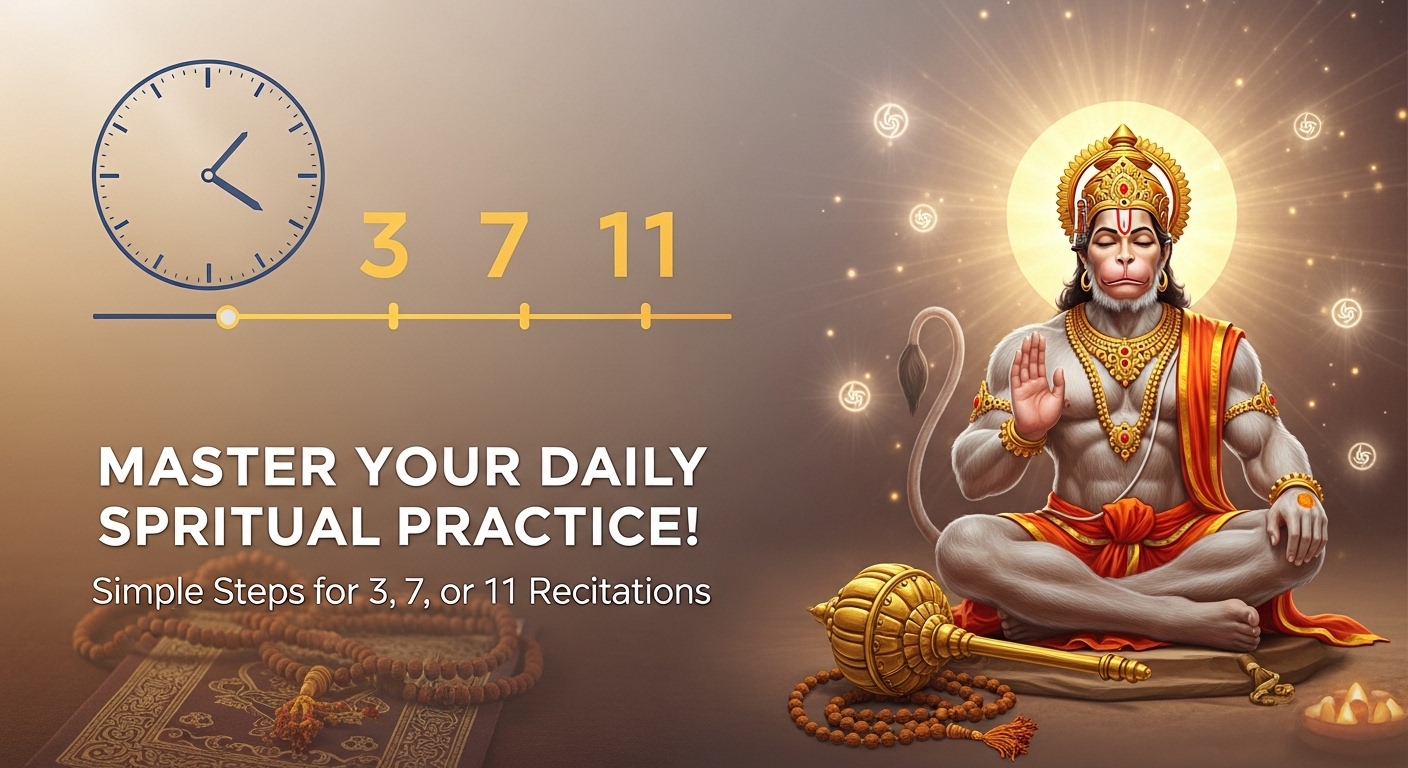
The Hanuman Chalisa holds a timeless place in devotional practice. Written by Tulsidas in praise of Hanuman, this sacred hymn of forty verses is known for invoking courage, protection, clarity, and inner strength. While many devotees chant it occasionally, establishing a daily routine with a fixed recitation count—such as 3, 7, or 11 times—can transform it into a powerful spiritual discipline.
A structured daily practice not only strengthens faith but also builds consistency, mental stability, and emotional balance. Whether you are a beginner or someone seeking deeper devotion, choosing the right count can help you integrate the Hanuman Chalisa seamlessly into your lifestyle.
In this detailed guide, we explore how to create a daily routine around 3, 7, or 11 recitations, the spiritual meaning of each count, and practical tips to maintain consistency.
Why Establish a Daily Hanuman Chalisa Routine
Spiritual growth thrives on regularity. Occasional prayer offers comfort, but daily repetition builds transformation. When the Hanuman Chalisa becomes part of your everyday schedule, it gradually shapes your thoughts, emotions, and actions.
A daily routine provides stability in uncertain times. The rhythmic chanting calms the nervous system, regulates breathing, and anchors the mind. Over time, it cultivates patience, courage, and resilience—qualities embodied by Hanuman himself.
Moreover, fixed recitation counts introduce discipline. Instead of chanting randomly, you commit to a measurable practice. This commitment strengthens willpower and deepens your spiritual connection.
Choosing Between 3, 7, and 11 Recitations
Selecting the right count depends on your schedule, experience, and intention. Each number carries symbolic meaning and practical significance.
Three recitations are ideal for beginners or those with limited time. Seven recitations offer balanced spiritual engagement. Eleven recitations represent deeper commitment and daily protection.
Understanding these distinctions will help you design a sustainable routine.
Chanting 3 Times Daily: A Simple and Steady Beginning
For newcomers, chanting the Hanuman Chalisa three times a day is a practical starting point. The number three symbolizes harmony between body, mind, and spirit. It represents balance and alignment.
A three-time recitation usually takes about 15 to 20 minutes. This manageable duration allows you to focus without feeling overwhelmed. Morning chanting sets a positive tone for the day. Alternatively, you can divide the three recitations across morning, afternoon, and evening.
Spiritually, chanting three times fosters grounding. It gently introduces discipline into your routine without demanding extensive time. Over weeks, you may notice improved concentration and emotional calm.
This count works well for students, working professionals, and anyone beginning their devotional journey.
Chanting 7 Times Daily: Deepening Focus and Energy
The number seven is associated with spiritual awakening and inner awareness. In yogic philosophy, it relates to the seven chakras or energy centers within the body. Chanting seven times daily strengthens spiritual sensitivity and mental clarity.
Completing seven recitations typically requires around 30 to 40 minutes. This count demands more focus than three but remains manageable for those committed to daily practice.
You may choose to chant all seven in the early morning when the mind is fresh. Alternatively, split them into two sessions—four in the morning and three in the evening. Dividing sessions can help maintain energy and attention.
Seven recitations enhance introspection. They create a deeper meditative rhythm and allow the verses to resonate more profoundly. Many devotees who transition from three to seven recitations report increased emotional strength and reduced anxiety.
Chanting 11 Times Daily: Building Strong Spiritual Discipline
Eleven is one of the most popular counts in daily Hanuman Chalisa practice. It symbolizes spiritual awakening and connection to higher consciousness. Chanting 11 times daily reflects firm commitment and devotion.
This routine usually takes 45 minutes to one hour. It requires planning and dedication. However, the benefits are often described as transformative.
Eleven recitations create a powerful rhythm. As repetition increases, the mind gradually enters a meditative flow. Distractions diminish, and awareness sharpens. The extended chanting period stabilizes breathing patterns and enhances inner peace.
For those facing stress, uncertainty, or major life decisions, chanting 11 times daily offers emotional resilience. It strengthens faith and cultivates courage.
Although demanding, this count becomes easier with consistency. Over time, what initially feels lengthy becomes a cherished part of the day.
Designing Your Ideal Daily Schedule
Creating a practical schedule ensures sustainability. Start by identifying the quietest part of your day. Early morning before sunrise is often ideal because the mind is calm and distractions are minimal.
If mornings are busy, evenings can be equally effective. The key is consistency. Chanting at the same time each day conditions your mind to enter a devotional state more easily.
For three recitations, a single session is usually sufficient. For seven or eleven, you may divide the count into two sessions to maintain clarity and prevent fatigue.
Set a dedicated space in your home. A clean, quiet corner with minimal distractions enhances concentration. Lighting a lamp or incense can create a sacred atmosphere, though it is optional.
Maintaining Focus During Recitation
Quality matters more than speed. Rushing through verses reduces spiritual impact. Maintain steady breathing and clear pronunciation. If possible, understand the meaning of the verses to deepen emotional connection.
Using prayer beads can help track counts accurately. However, mental counting also works if done carefully.
If your mind wanders, gently bring your attention back to the words. Distraction is natural. The practice itself trains awareness and patience.
Overcoming Common Challenges
Consistency can be challenging, especially during busy days. If you miss a session, resume the next day without guilt. Avoid turning devotion into pressure.
Fatigue may arise during longer counts like eleven. To prevent burnout, maintain comfortable posture and moderate pace. Taking short pauses between recitations can refresh focus.
Motivation may fluctuate. On such days, remind yourself of your intention. Whether seeking peace, strength, or gratitude, reconnecting with purpose renews commitment.
Integrating Hanuman Chalisa into Modern Life
Modern schedules often feel hectic. However, spiritual discipline can coexist with professional and family responsibilities.
You may listen to soft instrumental background music to maintain rhythm. Some devotees chant silently during travel or breaks. While ideal practice involves seated recitation, flexibility ensures continuity.
Even on the busiest days, completing three recitations maintains your connection. The aim is not perfection but persistence.
Spiritual and Psychological Benefits
Regular chanting fosters emotional resilience. The repetition calms the mind and reduces stress. Structured counts build discipline and self-trust.
Over time, the qualities praised in Hanuman—strength, humility, devotion—begin to influence daily behavior. Patience improves. Confidence increases. Negative thoughts diminish.
The daily routine becomes more than ritual; it becomes transformation. Each completed count reinforces faith and inner stability.
When to Increase Your Count
If three recitations feel effortless and you seek deeper engagement, gradually increase to seven. Once seven becomes stable, consider eleven if time permits.
Avoid sudden large increases that disrupt routine. Spiritual growth thrives on steady progress rather than drastic changes.
Listen to your energy and schedule. The right count is one you can sustain long term.
The Power of Intention
Before beginning each session, set a simple intention. It may be gratitude, courage, or clarity. Intention channels your mental energy and enhances focus.
Even three recitations performed with sincerity hold immense value. Numbers guide discipline, but devotion fuels transformation.
Final Thoughts
Establishing a daily routine with the Hanuman Chalisa—whether 3, 7, or 11 times—creates a foundation of strength and stability. Each count offers unique depth, from gentle balance to strong spiritual discipline.
The key lies in consistency and heartfelt devotion. Begin where you are. Allow the rhythm of the verses to shape your mornings or evenings. Over time, the routine becomes second nature, offering peace amid life’s uncertainties.
Through steady repetition and sincere faith, the Hanuman Chalisa evolves from a prayer into a daily companion—guiding, protecting, and strengthening you every step of the way.
Frequently Asked Questions (FAQs)
1. How many times should I chant Hanuman Chalisa daily?
Beginners can start with 3 times, intermediate devotees with 7, and those seeking deeper practice may choose 11 times daily.
2. What is the significance of chanting 3 times?
Three recitations symbolize harmony between body, mind, and spirit and are ideal for beginners or those with limited time.
3. Why chant Hanuman Chalisa 7 times?
Seven represents spiritual awakening and alignment with inner energy centers, offering deeper focus and emotional balance.
4. What does chanting 11 times daily signify?
Eleven symbolizes higher consciousness and spiritual discipline, providing strong protection, mental clarity, and inner strength.
5. Can I split recitations into multiple sessions?
Yes, especially for 7 or 11 recitations, splitting into two sessions can help maintain focus and prevent fatigue.
6. When is the best time to chant?
Early morning is ideal due to calm surroundings and clarity of mind, but evenings work as well. Consistency is more important than timing.
7. Do I need to understand the meaning of the Chalisa?
Understanding enhances emotional connection, but even rhythmic recitation with faith carries spiritual benefits.
8. How do I maintain concentration while chanting?
Sit in a quiet place, maintain steady breathing, recite clearly, and gently bring the mind back if it wanders.
9. What if I miss a day?
Resume your routine the next day without guilt. Consistency over time matters more than perfection.
10. Can I combine chanting with modern life schedules?
Yes, adjust the count or session timing to fit work and family life. Even short, consistent practice is spiritually beneficial.