

In the spiritual traditions of India, Amavasya, or the new moon day, holds deep religious and emotional significance. Among the many Amavasya observances celebrated throughout the year, Darsha Amavasya and Jyeshtha Amavasya are especially important for honoring ancestors, performing spiritual cleansing, and seeking blessings for family well-being.
These sacred lunar occasions are closely connected with Pitru Tarpan, charity, prayer, fasting, and acts of remembrance dedicated to departed souls. Many devotees believe that rituals performed on these days help bring peace to ancestors while removing obstacles, negativity, and ancestral karmic burdens from family life.
This guide explains the spiritual meaning, importance, rituals, benefits, and traditional practices associated with Darsha Amavasya and Jyeshtha Amavasya in a simple and engaging way.
What Is Darsha Amavasya?
Darsha Amavasya is the monthly new moon observance mentioned in ancient Hindu scriptures. The word “Darsha” refers to a ritual sighting or sacred offering connected with the lunar cycle. It is considered an ideal day for spiritual purification and ancestral worship.
According to traditional beliefs, the energy of the new moon creates a powerful spiritual atmosphere that supports meditation, prayer, self-reflection, and offerings to ancestors. Devotees observe fasting, perform sacred rituals, and engage in charitable activities to gain divine blessings and inner peace.
Darsha Amavasya is observed every lunar month, but when it falls during the Jyeshtha lunar period, it becomes especially powerful for ancestral rituals and spiritual healing.
Understanding Jyeshtha Amavasya
Jyeshtha Amavasya occurs during the Jyeshtha month in the Hindu calendar. This period is associated with intense summer energy, purification, and spiritual discipline.
Many regions across India regard Jyeshtha Amavasya as highly auspicious for:
- Pitru Tarpan (offerings to ancestors)
- River bathing rituals
- Charity and food donation
- Worship of sacred trees
- Fasting and prayer
- Removal of negative energies
In several traditions, devotees also worship Lord Shani, Lord Hanuman, and Peepal trees on this day for protection, prosperity, and karmic balance.
Spiritual Importance of Ancestor Worship
Ancestor worship, known as Pitru Karma or Pitru Tarpan, is one of the oldest spiritual traditions in Hindu culture. The belief is rooted in gratitude, remembrance, and the continuation of family blessings through generations.
According to spiritual teachings, honoring ancestors can:
- Bring peace to departed souls
- Reduce family conflicts and obstacles
- Improve mental and emotional harmony
- Remove Pitru Dosha or ancestral imbalances
- Support prosperity and well-being
- Strengthen spiritual growth
Many families consider Amavasya the most suitable time to connect spiritually with their ancestors because the lunar energy symbolizes introspection and subtle spiritual communication.
Why Darsha Amavasya and Jyeshtha Amavasya Are Special
While every Amavasya has spiritual significance, the combination of Darsha Amavasya during the Jyeshtha period is believed to amplify the benefits of rituals performed for ancestors.
Several spiritual traditions state that prayers and offerings made on this day are more effective because:
- The new moon supports inner purification
- The Jyeshtha period symbolizes karmic cleansing
- Ancestor-related rituals are believed to carry stronger spiritual vibrations
- Acts of charity performed on this day are considered highly meritorious
This observance is particularly important for people seeking peace within the family, relief from recurring difficulties, or emotional healing connected to grief and remembrance.
Traditional Rituals Performed on Darsha Amavasya & Jyeshtha Amavasya
1. Holy Bath Before Sunrise
Devotees traditionally wake up early and take a bath before sunrise. Bathing in sacred rivers is considered especially auspicious, though many people perform rituals at home with devotion and sincerity.
The bath symbolizes purification of the body and mind before beginning spiritual practices.
2. Pitru Tarpan
Pitru Tarpan is the central ritual of the day. Water mixed with black sesame seeds, barley, and sacred grass is offered while remembering deceased family members.
The ritual is usually performed facing south, which is traditionally associated with ancestors.
During Tarpan, devotees pray for:
- Peace for departed souls
- Forgiveness for ancestral karmas
- Blessings for future generations
- Protection from negative influences
3. Shraddha Rituals
Some families conduct Shraddha ceremonies through priests or at home. These rituals may include prayers, offerings of food, and chanting of sacred mantras dedicated to ancestors.
Food prepared with purity and devotion is offered symbolically before being distributed to priests, guests, or those in need.
4. Fasting and Spiritual Discipline
Many devotees observe partial or complete fasting on this day. Fasting is believed to purify the mind, strengthen spiritual focus, and enhance the effectiveness of prayers.
Simple satvik food is often consumed after completing rituals.
5. Donation and Charity
Charity is considered one of the most powerful acts on Amavasya. Common donations include:
- Food grains
- Clothes
- Water
- Fruits
- Black sesame seeds
- Umbrellas
- Footwear
- Meals for the poor
Helping those in need is believed to generate positive karma and bring blessings from ancestors.
6. Lighting Lamps
Lighting oil lamps during the evening symbolizes removal of darkness and spiritual ignorance. Many families light lamps near sacred plants, temples, or home altars while praying for peace and protection.
7. Peepal Tree Worship
In many regions, devotees worship the Peepal tree on Jyeshtha Amavasya. The tree is considered spiritually sacred and associated with divine energies.
People circumambulate the tree, offer water, light lamps, and pray for health, prosperity, and family harmony.
Significance of Black Sesame Seeds in Rituals
Black sesame seeds hold special importance in ancestor-related ceremonies. Traditional beliefs suggest that sesame seeds absorb negative energies and help purify karmic influences.
They are commonly used in:
- Tarpan rituals
- Sacred offerings
- Donations
- Fire rituals
- Prayer ceremonies
Many scriptures mention sesame seeds as symbols of protection and spiritual purification.
Benefits of Observing Darsha Amavasya Rituals
People observe these rituals not merely out of tradition but because they believe the practices create emotional, spiritual, and psychological balance.
Spiritual Benefits
- Greater inner peace
- Enhanced spiritual awareness
- Connection with family lineage
- Purification of karmic energies
Emotional Benefits
- Healing from grief and loss
- Emotional grounding
- Sense of gratitude toward ancestors
- Family unity and remembrance
Cultural Benefits
- Preservation of traditions
- Strengthening family values
- Passing spiritual knowledge to future generations
Social Benefits
- Encouragement of charity and compassion
- Support for community welfare
- Sharing food and resources with others
Important Mantras Chanted on Amavasya
Many devotees chant sacred mantras during rituals. Some commonly recited prayers include:
- Om Pitra Devataabhyo Namah
- Om Shanti Shanti Shanti
- Gayatri Mantra
- Mahamrityunjaya Mantra
These mantras are believed to create positive vibrations and spiritual calmness.
Foods Traditionally Prepared on the Day
The food prepared during Amavasya rituals is usually simple, pure, and satvik. In some regions, families prepare:
- Rice dishes
- Kheer
- Lentils
- Seasonal fruits
- Flatbreads
- Sesame-based sweets
A portion of the food is often offered symbolically to ancestors before being shared with family or donated.
Regional Traditions Across India
Different regions observe Darsha Amavasya and Jyeshtha Amavasya in unique ways.
North India
Families perform Pitru Tarpan near rivers and temples. Charity and fasting are widely observed.
South India
Devotees conduct elaborate ancestral offerings and temple visits. Many households prepare traditional meals for ritual offerings.
Maharashtra
Special prayers, charity, and Peepal tree worship are common. Devotees also perform rituals connected to Lord Shani and Hanuman.
Bengal and Eastern India
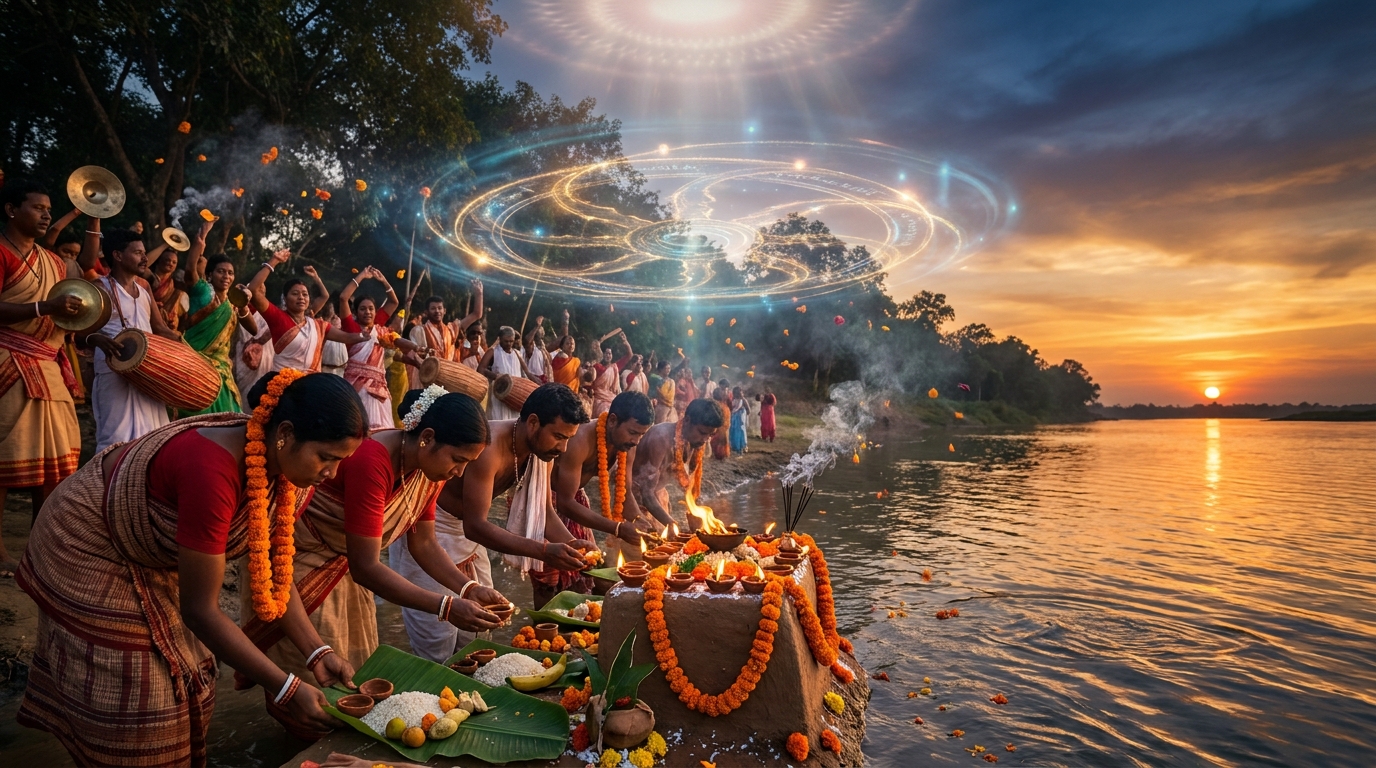
River rituals and food offerings are significant parts of the observance. Ancestor remembrance ceremonies are performed with devotion.
Connection Between Amavasya and Lunar Energy
The new moon phase is often associated with introspection and emotional sensitivity. In spiritual traditions, Amavasya represents a time to release negativity and focus on inner transformation.
Many practitioners believe that meditation and prayer become more powerful during the new moon because the mind naturally turns inward.
This is why ancestor rituals, forgiveness practices, and spiritual reflection are emphasized on Darsha Amavasya.
Dos and Don’ts During Amavasya
Recommended Practices
- Wake up early
- Maintain cleanliness and purity
- Offer prayers sincerely
- Donate food or essentials
- Practice meditation
- Respect elders and family traditions
Practices Often Avoided
- Negative speech or arguments
- Wasteful behavior
- Consumption of intoxicants
- Harmful actions toward others
- Excessive material indulgence
The focus of the day remains simplicity, gratitude, and spiritual mindfulness.
Can These Rituals Be Performed at Home?
Yes, many families perform Amavasya rituals at home with sincerity and devotion. While priests may guide elaborate ceremonies, simple practices can also be meaningful.
A basic home observance may include:
- Morning bath
- Lighting a lamp
- Offering water with sesame seeds
- Remembering ancestors through prayer
- Donating food or helping someone in need
- Spending time in meditation
Spiritual traditions emphasize intention and devotion more than complexity.
Modern Relevance of Ancestor Rituals
In today’s fast-moving world, ancestral rituals continue to hold emotional and cultural importance. Even people who do not follow every traditional custom often use these occasions for remembrance, gratitude, and family connection.
These observances encourage:
- Reflection on family history
- Appreciation for previous generations
- Emotional healing
- Acts of kindness and charity
- Mindful spiritual living
For many individuals, these rituals create a sense of continuity, belonging, and emotional grounding.
Frequently Asked Questions
Is fasting compulsory on Darsha Amavasya?
No, fasting is optional. Many people choose partial fasting or simple meals based on personal health and tradition.
Can women perform Pitru Tarpan?
Practices vary by family and regional tradition. In many households, women actively participate in prayers and ancestor remembrance rituals.
What is the best time for Tarpan?
Morning hours after bathing are generally considered suitable for ancestral offerings.
Is charity important on Amavasya?
Yes, charity is considered highly beneficial and spiritually rewarding during Amavasya observances.
Can rituals be performed without a priest?
Simple prayers and offerings can be performed at home with sincerity and devotion.
The Deeper Meaning Behind These Rituals
At its core, Darsha Amavasya and Jyeshtha Amavasya are not only about rituals but also about gratitude and remembrance. These observances remind people to honor their roots, acknowledge family lineage, and cultivate compassion.
The practices associated with the new moon encourage emotional healing, humility, and spiritual awareness. Whether performed traditionally or in a simplified modern form, the essence remains the same: remembering those who came before us and seeking harmony for generations to come.
Conclusion
Darsha Amavasya and Jyeshtha Amavasya hold a sacred place in Hindu spiritual traditions, especially for ancestor worship and inner purification. Through rituals such as Pitru Tarpan, fasting, prayer, charity, and meditation, devotees seek blessings, peace, and spiritual balance.
These observances are deeply rooted in gratitude, family values, and cultural continuity. Beyond religious customs, they also offer emotional healing, mindfulness, and opportunities for compassion and self-reflection.
By honoring ancestors with sincerity and devotion, families continue a timeless spiritual tradition that strengthens both personal faith and generational connection.