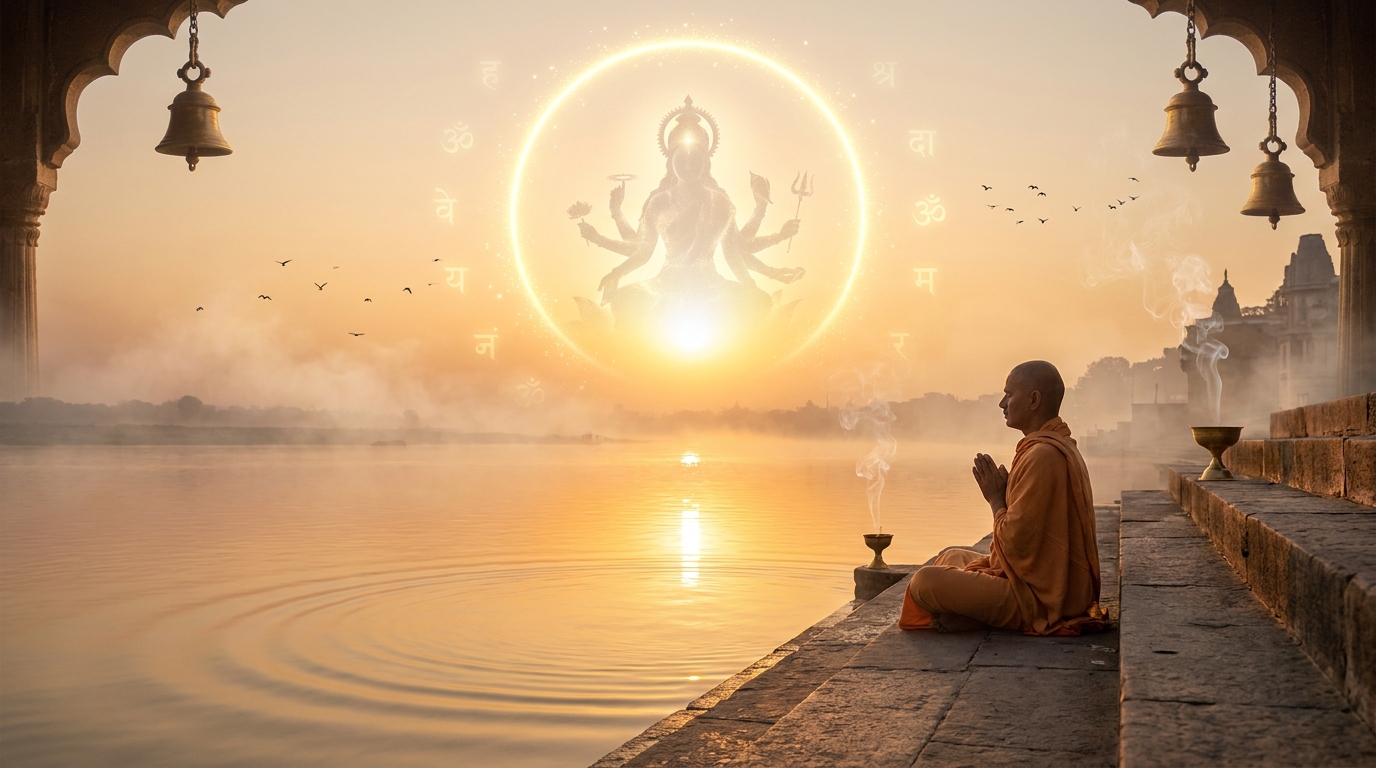


Vrishabha Sankranti is an important solar transition in the Hindu calendar that marks the Sun’s movement from Aries into Taurus. This celestial shift is believed to bring a fresh wave of stability, grounding energy, and spiritual transformation. Deeply rooted in Vedic traditions and astrology, Vrishabha Sankranti is observed with devotion, prayers, charity, and mindful living across many parts of India.
The word “Vrishabha” means Taurus, while “Sankranti” refers to the Sun’s transition from one zodiac sign to another. Every Sankranti holds spiritual significance, but Vrishabha Sankranti is especially associated with balance, material growth, patience, and inner strength.
For spiritual seekers, astrologers, and devotees alike, this occasion symbolizes a shift from fiery ambition toward calm persistence and practical wisdom. In this article, we will explore the meaning, significance, rituals, astrological impact, and spiritual essence of Vrishabha Sankranti in detail.
What Is Vrishabha Sankranti?
Vrishabha Sankranti occurs when the Sun leaves Mesha Rashi (Aries) and enters Vrishabha Rashi (Taurus) according to Vedic astrology. The Sun is considered the soul of the universe in Hindu tradition, and its movement through zodiac signs influences human emotions, energies, and life patterns.
Aries represents action, leadership, passion, and initiation. Taurus, on the other hand, symbolizes stability, patience, wealth, comfort, and determination. This transition is therefore viewed as a movement from intense activity toward grounded productivity.
The day is considered spiritually auspicious for:
- Taking holy baths
- Donating food and essentials
- Worshipping Lord Surya
- Chanting Vedic mantras
- Practicing meditation and gratitude
- Seeking prosperity and harmony
Many devotees believe that good deeds performed during Sankranti periods bring long-lasting blessings and positive karma.
Spiritual Significance of Vrishabha Sankranti
Vrishabha Sankranti carries deep spiritual meaning because it encourages people to slow down and reconnect with stability and inner peace. The energy of Taurus inspires discipline, endurance, and practical growth rather than impulsive action.
In Hindu philosophy, the Sun represents truth, vitality, confidence, and divine consciousness. When the Sun enters Taurus, it is believed to support:
- Emotional balance
- Financial planning
- Family harmony
- Agricultural prosperity
- Spiritual discipline
- Long-term success
This period reminds individuals to focus on sustainable progress instead of temporary achievements. It encourages people to nurture relationships, respect nature, and build a stable foundation in life.
Mythological Importance of Vrishabha Sankranti
Many Hindu traditions connect Sankranti days with divine energies and sacred transformations. While Vrishabha Sankranti may not have one universally known mythological story, it is associated with Surya Dev, the Sun God, who is worshipped as the source of life and cosmic order.
Ancient scriptures describe the Sun as the giver of health, wisdom, and prosperity. Devotees offer water to the rising Sun and chant Surya mantras to invite positivity into their lives.
The Taurus sign is also symbolically linked with Nandi, the sacred bull and vehicle of Lord Shiva. Because of this connection, some devotees worship Lord Shiva and Nandi during this period to seek strength, patience, and protection.
Astrological Meaning of the Sun in Taurus
In Vedic astrology, the Sun’s transit into Taurus creates a shift in collective energy. Taurus is ruled by Venus, the planet associated with beauty, comfort, relationships, luxury, and artistic expression.
As the Sun enters this earth sign, people may feel more focused on:
- Financial security
- Career stability
- Family responsibilities
- Material comfort
- Artistic pursuits
- Emotional grounding
Unlike the fast-moving and aggressive energy of Aries, Taurus encourages thoughtful decisions and consistent effort.
Astrologers often consider this transit favorable for:
- Long-term investments
- Building healthy routines
- Strengthening relationships
- Starting practical projects
- Improving financial discipline
However, Taurus energy can also create stubbornness or resistance to change if not balanced with flexibility.
Rituals and Traditions Observed During Vrishabha Sankranti
Vrishabha Sankranti is celebrated with simplicity and devotion in many households and temples. Though customs vary by region, several traditional practices are commonly observed.
1. Holy Bath at Sunrise
Taking a sacred bath in rivers, ponds, or at home during sunrise is considered highly auspicious. It symbolizes purification of the body and mind.
Many devotees wake early and offer prayers after bathing to begin the day with spiritual clarity.
2. Offering Water to the Sun
One of the most important rituals involves offering water, known as Arghya, to the Sun God.
Devotees stand facing the rising Sun and pour water slowly while chanting prayers such as:
- Om Suryaya Namah
- Aditya Hridayam
- Gayatri Mantra
This ritual is believed to improve health, confidence, and spiritual awareness.
3. Charity and Donations
Acts of charity hold special significance during Sankranti. Donating food, clothes, grains, jaggery, ghee, or water to the needy is considered highly meritorious.
People also feed cows, birds, and animals as a gesture of compassion and gratitude toward nature.
4. Worship of Lord Vishnu and Lord Shiva
Many devotees visit temples and perform puja dedicated to Lord Vishnu or Lord Shiva. Since Taurus has symbolic connections with Nandi, Shiva worship becomes especially meaningful during this time.
5. Fasting and Meditation
Some individuals observe partial or complete fasting to purify the mind and body. Meditation and mantra chanting are also practiced to enhance inner peace and focus.
Importance of Vrishabha Sankranti in Agriculture
Historically, solar transitions have played an important role in agricultural communities across India. Vrishabha Sankranti often symbolizes preparation, patience, and nurturing growth.
Farmers traditionally regard this period as favorable for planning cultivation activities and praying for prosperity and rainfall.
The grounding energy of Taurus reflects the connection between humans and the earth. It reminds people to honor natural cycles and live in harmony with nature.
Health and Lifestyle Significance
According to Ayurveda and traditional wisdom, seasonal transitions affect physical and mental well-being. Vrishabha Sankranti encourages people to adopt routines that promote balance and stability.
Helpful lifestyle practices during this period include:
- Eating fresh and cooling foods
- Staying hydrated
- Practicing yoga and meditation
- Reducing stress
- Spending time in nature
- Maintaining disciplined habits
Because Taurus energy is calm and steady, this phase is considered ideal for building healthier routines and improving emotional resilience.
Vrishabha Sankranti and Positive Energy
Many spiritual practitioners believe that planetary transitions influence collective consciousness. Vrishabha Sankranti is viewed as a favorable period for attracting abundance and harmony through mindful action.
People often use this time to:
- Set financial goals
- Improve family relationships
- Organize their living spaces
- Practice gratitude
- Focus on personal growth
- Reconnect with spiritual practices
The energy of Taurus supports consistency, which is essential for meaningful success and long-term fulfillment.
Simple Vrishabha Sankranti Puja at Home
A simple home puja can help devotees connect with the spiritual essence of Vrishabha Sankranti.
Materials Needed
- Copper vessel with water
- Red flowers
- Incense sticks
- Ghee lamp
- Fruits or sweets
- Turmeric and kumkum
Puja Procedure
- Wake up early and take a bath.
- Clean the prayer area.
- Light a lamp and incense.
- Offer water to the rising Sun.
- Chant Surya mantras with devotion.
- Offer flowers and fruits.
- Pray for peace, prosperity, and wisdom.
- Donate food or essentials to the needy.
Even a simple prayer performed with sincerity is considered spiritually beneficial.
Regional Observances Across India
Different regions in India observe Sankranti traditions in unique ways. While Vrishabha Sankranti may not be celebrated with large festivals everywhere, it still carries religious significance in many communities.
South India
In several South Indian traditions, solar transitions are carefully observed according to temple calendars. Devotees visit temples and perform Surya worship.
North India
People often focus on charity, fasting, and sacred bathing rituals. Religious discourses and mantra chanting are also common.
Rural Communities
Agricultural families may perform prayers for fertile land, livestock well-being, and successful harvests.
These regional practices reflect India’s rich spiritual diversity and deep connection to cosmic rhythms.
Why Vrishabha Sankranti Matters in Modern Life
In today’s fast-paced world, Vrishabha Sankranti offers an important reminder about the value of patience, balance, and grounded living.
Modern lifestyles often encourage constant hustle and instant results. Taurus energy teaches the opposite: true success grows steadily through discipline and consistency.
This spiritual transition encourages individuals to:
- Slow down and reflect
- Build meaningful habits
- Strengthen emotional stability
- Prioritize long-term well-being
- Appreciate nature and simplicity
The lessons of Vrishabha Sankranti remain highly relevant for people seeking peace and purpose in everyday life.
Powerful Mantras for Vrishabha Sankranti
Chanting sacred mantras during Sankranti is believed to purify the mind and attract positive vibrations.
Surya Mantra
Om Suryaya Namah
This mantra honors the Sun God and is associated with vitality and confidence.
Gayatri Mantra
Om Bhur Bhuvah Swaha
Tat Savitur Varenyam
Bhargo Devasya Dheemahi
Dhiyo Yo Nah Prachodayat
The Gayatri Mantra is one of the most revered Vedic chants for wisdom and spiritual enlightenment.
Aditya Hridayam
Reciting Aditya Hridayam is believed to increase courage, mental clarity, and inner strength.
Astrological Tips During the Sun’s Transit into Taurus
Astrologers often recommend practical and mindful actions during this solar transition.
Focus on Stability
Avoid impulsive decisions and prioritize steady progress in career and finances.
Strengthen Relationships
Taurus energy supports loyalty and emotional security. Spend quality time with family and loved ones.
Practice Gratitude
Acknowledging blessings can improve emotional well-being and attract positivity.
Connect With Nature
Gardening, walking outdoors, or spending time in peaceful environments can help balance emotions.
Avoid Excessive Stubbornness
While determination is beneficial, flexibility is equally important for healthy growth.
Vrishabha Sankranti and Inner Transformation
Beyond rituals and astrology, Vrishabha Sankranti symbolizes a deeper inner journey. It encourages people to cultivate calmness, patience, and self-awareness.
This sacred transition teaches that lasting growth requires:
- Persistence
- Emotional maturity
- Faith
- Discipline
- Gratitude
- Stability
Instead of chasing quick rewards, the energy of Taurus inspires people to build strong foundations for a fulfilling life.
Conclusion
Vrishabha Sankranti is much more than a solar transition in the zodiac. It is a spiritually meaningful occasion that reflects balance, grounding, prosperity, and inner growth. As the Sun moves from fiery Aries into steady Taurus, the energy shifts toward patience, stability, and practical wisdom.
Through prayers, charity, meditation, and mindful living, devotees honor this sacred transition and seek blessings for health, harmony, and success. The occasion also reminds us to slow down, reconnect with nature, and build a life rooted in consistency and gratitude.
Whether viewed from a spiritual, astrological, or cultural perspective, Vrishabha Sankranti continues to inspire people toward a calmer and more balanced way of living. By embracing its timeless lessons, individuals can create stronger foundations for personal growth, emotional peace, and long-term prosperity.