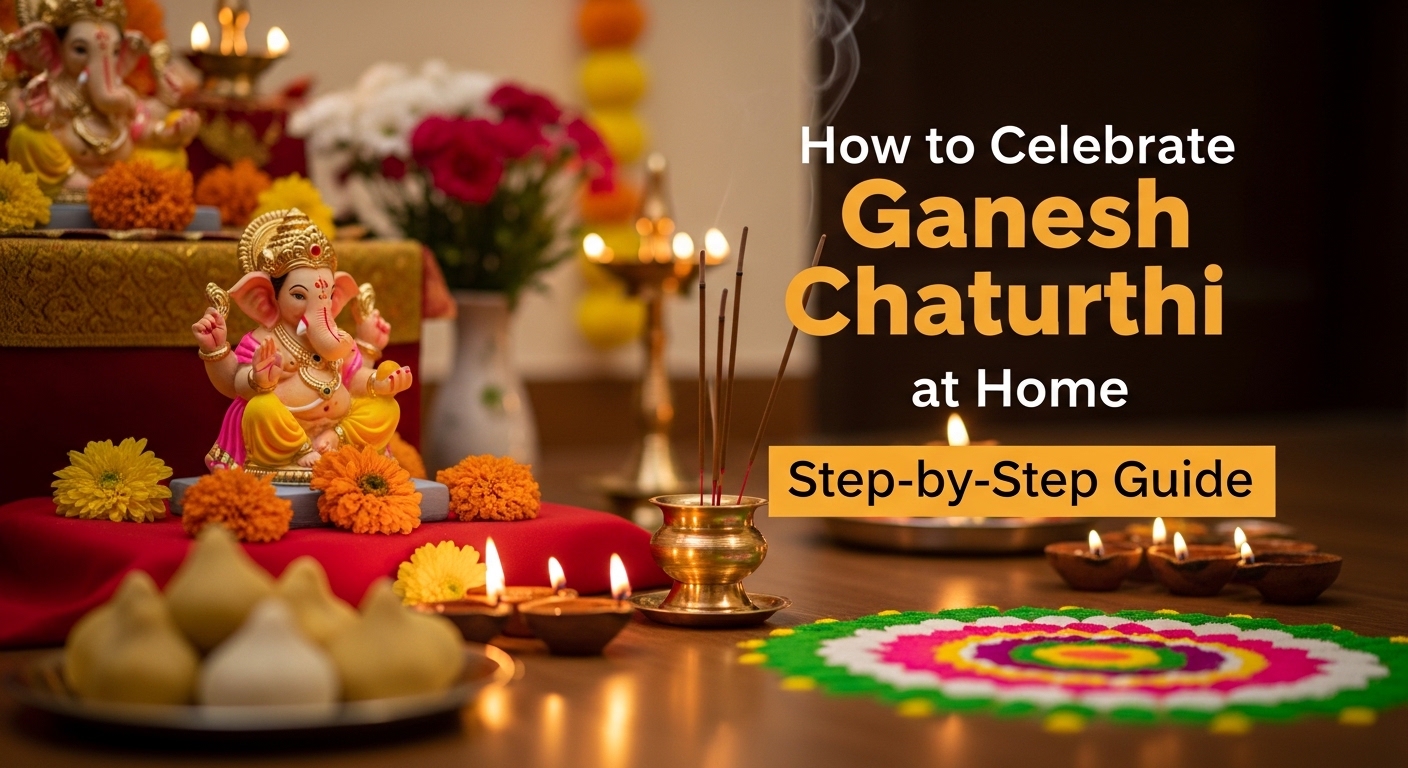


Shani Jayanti is one of the most spiritually significant observances in Hindu tradition. It marks the birth anniversary of Lord Shani, the powerful deity associated with justice, discipline, karma, and truth. Devotees across India observe this sacred occasion with prayers, fasting, temple visits, and acts of charity to seek blessings for protection, balance, and relief from hardships.
Unlike many festivals that focus purely on celebration, Shani Jayanti carries a deeper message about responsibility, ethical living, patience, and the consequences of one’s actions. Lord Shani is often misunderstood due to his strict nature, but in reality, he represents fairness and cosmic justice. His influence reminds people that every action has a result, and sincerity ultimately brings rewards.
This article explores the meaning of Shani Jayanti, the mythology behind Lord Shani, rituals associated with the festival, spiritual benefits, and why this observance continues to hold importance in modern life.
Who Is Lord Shani?
Lord Shani is one of the Navagrahas, or nine planetary deities, in Hindu astrology. He is associated with the planet Saturn and is considered the divine judge who rewards or punishes individuals according to their karma.
Lord Shani is often depicted wearing dark clothing, seated on a crow or vulture, and carrying weapons that symbolize authority and discipline. While many people fear his influence due to the hardships linked to Saturn’s transit, spiritual texts describe him as a fair and impartial deity who never acts out of anger or bias.
His purpose is not to create suffering without reason. Instead, he teaches valuable lessons through patience, humility, honesty, and perseverance.
The Meaning of Shani Jayanti
Shani Jayanti commemorates the birth of Lord Shani. The day is considered highly auspicious for worshipping him and seeking relief from the negative effects of Saturn in one’s horoscope.
Devotees believe that sincere prayers on this day can help reduce obstacles, financial troubles, delays, health challenges, and emotional stress caused by difficult planetary influences. More importantly, the observance encourages people to reflect on their actions and embrace righteousness.
Shani Jayanti is especially important for individuals experiencing phases such as Sade Sati, Shani Mahadasha, or Saturn-related astrological challenges.
Mythological Story Behind Lord Shani
According to Hindu mythology, Lord Shani is the son of Surya, the Sun God, and Chhaya. It is believed that Shani was born after his mother performed intense penance and devotion to Lord Shiva.
Legends describe Shani as deeply spiritual from birth. Due to his mother’s strict austerities and unwavering dedication, Shani developed extraordinary powers of discipline and justice. Another popular story explains that Shani’s gaze was so powerful that even the Sun God experienced difficulties because of it.
Over time, these stories shaped the belief that Lord Shani’s influence can bring both challenges and transformation. However, scriptures consistently emphasize that he rewards honesty, hard work, and integrity.
Why Lord Shani Is Associated With Karma
One of the central teachings connected to Lord Shani is the law of karma.
In Hindu philosophy, karma refers to the principle that every action produces consequences. Lord Shani acts as the cosmic judge who ensures balance and fairness. People who engage in unethical behavior may face delays, hardships, or struggles under his influence, while those who live honestly and compassionately often receive long-term rewards.
This concept makes Shani Jayanti more than just a religious observance. It becomes a reminder to live responsibly and treat others with fairness.
In today’s fast-paced world, where instant success is often prioritized, the teachings of Lord Shani encourage patience, accountability, and inner growth.
Importance of Shani Jayanti in Hindu Astrology
In Vedic astrology, Saturn is considered one of the most influential planets because of its slow movement and long-lasting effects. Its position in a horoscope can impact career, finances, relationships, health, and spiritual growth.
People often pray to Lord Shani during difficult astrological periods such as:
- Sade Sati
- Dhaiya
- Saturn return phases
- Shani Mahadasha
- Saturn transit challenges
Astrologers believe that sincere worship, disciplined living, and charitable acts can help reduce negative effects and strengthen positive outcomes.
However, spiritual teachers also emphasize that fear should not be the basis of devotion. Instead, Shani worship should inspire self-improvement and ethical conduct.
Rituals Performed on Shani Jayanti
Devotees observe Shani Jayanti with great faith and discipline. Rituals may vary across regions, but several practices are commonly followed.
Early Morning Bath and Cleanliness
People begin the day with a ritual bath before sunrise. Wearing clean and simple clothes symbolizes purity and humility.
Visiting Shani Temples
Many devotees visit temples dedicated to Lord Shani to offer prayers and seek blessings. Popular temples often witness large gatherings during this occasion.
Offering Oil to Lord Shani
One of the most common rituals involves offering sesame oil to Lord Shani. Devotees believe this act helps reduce negative planetary influences and symbolizes surrender of ego and negativity.
Lighting Lamps
Lighting mustard oil lamps near Shani idols or under Peepal trees is considered highly auspicious.
Chanting Mantras
Reciting Shani mantras is an important part of worship. Some widely chanted mantras include:
- Om Sham Shanicharaya Namah
- Shani Gayatri Mantra
- Dasharatha Shani Stotra
These prayers are believed to bring mental peace, stability, and spiritual protection.
Charity and Helping the Needy
Acts of charity hold special significance on Shani Jayanti. Donating food, black sesame seeds, clothes, footwear, or helping underprivileged people is considered spiritually rewarding.
This practice aligns with Lord Shani’s teachings about compassion, humility, and fairness.
Spiritual Lessons From Shani Jayanti
Shani Jayanti offers several timeless spiritual lessons that remain relevant in modern life.
Discipline Leads to Growth
Lord Shani teaches that lasting success comes through dedication and consistency rather than shortcuts.
Patience Is Powerful
Many people struggle with delays and setbacks, but Shani’s influence reminds individuals that patience often leads to stronger foundations and wiser decisions.
Truth and Integrity Matter
Honesty is one of the core values associated with Lord Shani. Ethical behavior and truthful actions are believed to attract positive karmic outcomes.
Every Action Has Consequences
The festival encourages self-reflection and accountability. Instead of blaming external situations, devotees are inspired to improve their actions and mindset.
Shani Jayanti and Mental Strength
One reason Shani Jayanti continues to resonate with modern devotees is its connection to emotional resilience.
Life challenges such as career uncertainty, financial pressure, health concerns, and personal struggles can feel overwhelming. Lord Shani symbolizes the strength required to face difficulties with maturity and perseverance.
Many devotees believe that worshipping Lord Shani helps them:
- Develop emotional stability
- Improve focus and discipline
- Gain clarity during difficult phases
- Build resilience against stress
- Cultivate spiritual awareness
Whether viewed spiritually or psychologically, the teachings associated with Shani encourage personal growth and inner balance.
Foods and Offerings Associated With Shani Jayanti
Several traditional offerings are associated with Lord Shani during the festival. These include:
- Black sesame seeds
- Mustard oil
- Black gram
- Jaggery
- Khichdi
- Blue or black flowers
Many devotees also observe fasting as a form of self-discipline and devotion. Some consume only simple vegetarian meals after sunset.
Popular Temples Associated With Lord Shani
Several famous temples in India attract large numbers of devotees during Shani Jayanti.
Shani Shingnapur Temple
Located in Maharashtra, this temple is one of the most renowned pilgrimage sites dedicated to Lord Shani. The village is famous for its tradition of houses without doors, reflecting the belief that Lord Shani protects residents from theft and harm.
Kokilavan Dham
This sacred temple is closely associated with Shani worship and attracts thousands of devotees seeking blessings and relief from Saturn-related difficulties.
Shani Dham Temple
Known for its large idol of Lord Shani, this temple is an important spiritual center for devotees in northern India.
Common Misconceptions About Lord Shani
Many people associate Lord Shani only with suffering or fear. However, spiritual scholars clarify that this understanding is incomplete.
Lord Shani does not punish people unfairly. Instead, he represents justice and karmic balance. Difficult experiences under Saturn’s influence are often viewed as opportunities for growth, self-awareness, and transformation.
Another misconception is that worshipping Lord Shani is only necessary during difficult astrological phases. In reality, many devotees worship him regularly to cultivate discipline, humility, and spiritual strength.
How Modern Devotees Celebrate Shani Jayanti
While traditional rituals remain important, modern celebrations often combine spirituality with social responsibility.
People may spend the day:
- Feeding the poor
- Donating to charities
- Volunteering at temples
- Helping elderly individuals
- Practicing meditation
- Reading spiritual texts
- Avoiding negative speech or behavior
This broader approach reflects the deeper values associated with Lord Shani — fairness, compassion, and responsible living.
The Relevance of Shani Jayanti Today
In a world filled with distractions, competition, and instant gratification, the teachings of Lord Shani feel increasingly meaningful.
Shani Jayanti reminds people that true success is built on integrity, patience, and effort. It encourages individuals to face challenges with courage instead of fear and to focus on long-term growth rather than temporary rewards.
The festival also promotes mindfulness about actions and decisions. Whether in personal relationships, professional life, or spiritual practice, the principle of karma remains universally relevant.
For many devotees, Shani Jayanti is not only about seeking blessings but also about becoming a better, more responsible person.
Tips for Observing Shani Jayanti at Home
People unable to visit temples can still observe Shani Jayanti meaningfully at home.
Here are some simple practices:
- Clean the home and prayer area.
- Light a sesame oil lamp.
- Chant Shani mantras sincerely.
- Read stories related to Lord Shani.
- Donate food or essential items to those in need.
- Practice silence, meditation, or self-reflection.
- Avoid anger, dishonesty, and harmful speech.
The essence of the festival lies in sincerity and self-improvement rather than elaborate rituals alone.
Conclusion
Shani Jayanti is a powerful spiritual observance that highlights the importance of karma, discipline, patience, and justice. Dedicated to Lord Shani, the festival encourages devotees to reflect on their actions, embrace ethical living, and strengthen their inner resilience.
Although Lord Shani is often feared, his true role in Hindu tradition is that of a fair guide who teaches valuable life lessons through experience and accountability. Worshipping him is not about fear but about transformation, responsibility, and spiritual growth.
From temple visits and mantra chanting to acts of charity and self-discipline, Shani Jayanti offers an opportunity to reconnect with timeless values that remain relevant in every stage of life. By understanding the deeper meaning behind this sacred observance, devotees can approach challenges with wisdom, patience, and faith while striving toward a more balanced and meaningful life.