
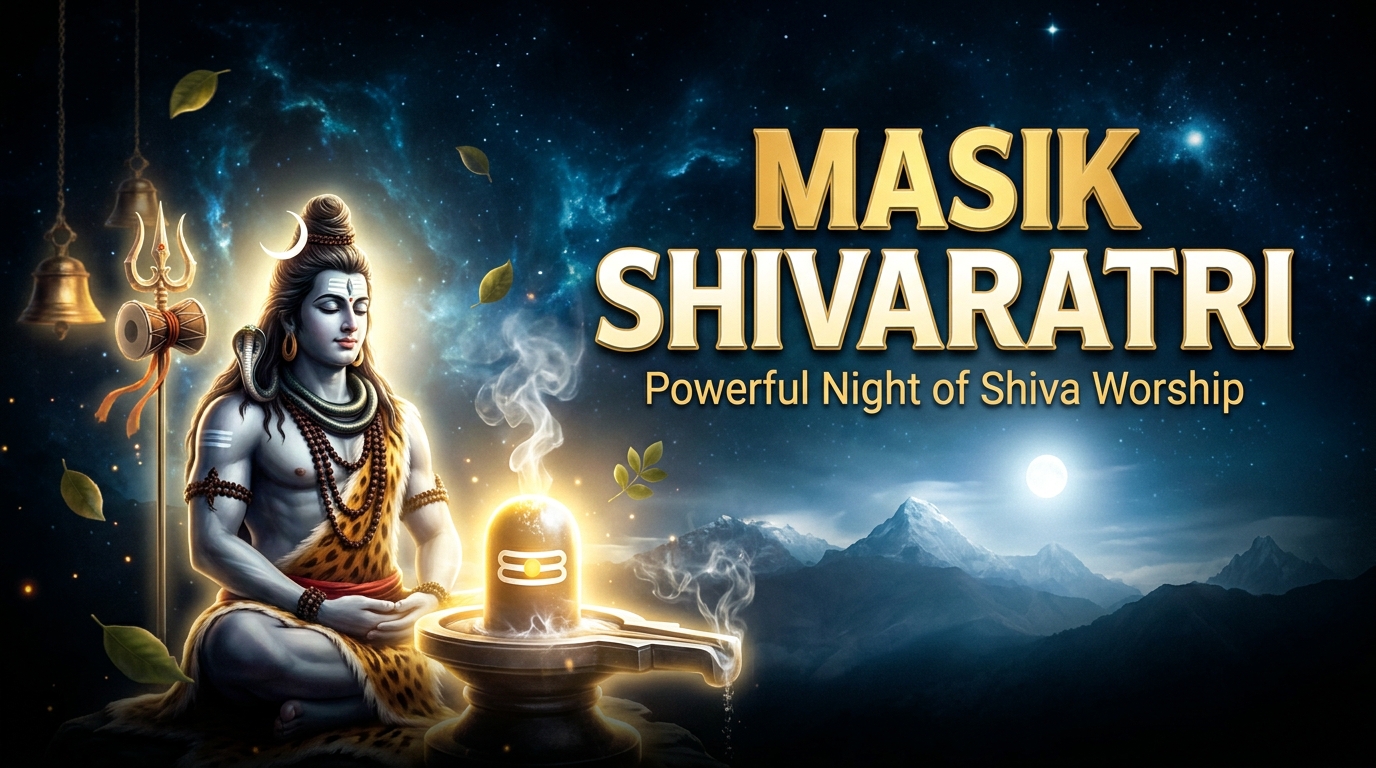
Masik Shivaratri is one of the most spiritually significant observances dedicated to Lord Shiva. Celebrated every month on the Chaturdashi Tithi of Krishna Paksha, this sacred night holds deep meaning for devotees seeking peace, inner transformation, and divine blessings. Unlike Maha Shivaratri, which is celebrated on a grand scale once a year, Masik Shivaratri offers devotees a monthly opportunity to connect with the powerful energy of Lord Shiva through fasting, prayer, meditation, and devotion.
For centuries, devotees across India and other parts of the world have observed this auspicious occasion with unwavering faith. The spiritual atmosphere created during Masik Shivaratri encourages self-discipline, purification of thoughts, and emotional healing. Many believe that sincere worship on this sacred night helps remove negativity, reduce obstacles, and invite prosperity and harmony into life.
This detailed guide explores the significance, rituals, fasting rules, spiritual benefits, and traditional practices associated with Masik Shivaratri, helping readers understand why this observance remains an important part of Hindu spiritual life.
What Is Masik Shivaratri?
Masik Shivaratri, also known as Monthly Shivaratri, is a monthly festival dedicated to Lord Shiva. It occurs on the fourteenth day of the waning moon phase every lunar month. Devotees observe fasts, chant Shiva mantras, visit temples, and perform special pujas to honor Lord Shiva.
The word “Shivaratri” translates to “the night of Shiva.” Spiritually, this night is considered highly favorable for meditation and inner awakening. According to Hindu beliefs, the planetary and cosmic energies during Shivaratri create a powerful spiritual environment that supports mental clarity and spiritual growth.
Masik Shivaratri is especially important for those who seek regular spiritual discipline rather than waiting for annual festivals. It serves as a reminder to reconnect with divine consciousness and maintain balance in everyday life.
Spiritual Importance of Masik Shivaratri
The spiritual importance of Masik Shivaratri goes beyond ritual worship. It represents the victory of awareness over ignorance and the transformation of negative energies into positive consciousness.
Lord Shiva is worshipped as the destroyer of evil, the master of meditation, and the symbol of ultimate truth. Devotees believe that sincere prayers offered on Masik Shivaratri help purify the mind and soul.
Some key spiritual aspects include:
1. Inner Purification
Fasting and prayer help devotees practice self-control and cleanse negative thoughts. Many people use this day to avoid distractions and focus on spiritual growth.
2. Strengthening Devotion
Regular observance deepens faith and builds a stronger connection with Lord Shiva. Chanting mantras and meditating create emotional stability and peace.
3. Removal of Obstacles
Devotees believe Lord Shiva blesses sincere worshippers by removing difficulties, fears, and karmic burdens.
4. Mental Peace and Clarity
Meditation and night-long worship calm the mind and help reduce stress and anxiety. The spiritual energy of Shivaratri supports emotional healing.
5. Path Toward Liberation
In Hindu philosophy, Lord Shiva represents the ultimate consciousness beyond worldly attachments. Worship during Masik Shivaratri is believed to guide devotees toward spiritual liberation.
Mythological Stories Associated With Masik Shivaratri
Several sacred legends explain the importance of Shivaratri worship. These stories inspire devotees and highlight the power of faith and devotion.
The Story of the Hunter and the Bilva Leaves
One popular legend tells of a hunter who unknowingly worshipped Lord Shiva while spending a night in a forest. To stay awake and alert, he plucked Bilva leaves from a tree and dropped them below, unaware that a Shiva Lingam was beneath the tree.
The hunter remained awake all night without food or sleep, unknowingly observing the rituals of Shivaratri. Pleased with his innocence and devotion, Lord Shiva blessed him with liberation from past sins.
This story teaches that even simple acts of sincere devotion can attract divine grace.
The Divine Marriage of Shiva and Parvati
Another belief connects Shivaratri with the sacred union of Lord Shiva and Goddess Parvati. Devotees worship Shiva and Parvati together for marital harmony, love, and family happiness.
Unmarried devotees often pray for a compatible life partner, while married couples seek blessings for a peaceful relationship.
How Masik Shivaratri Is Observed
Masik Shivaratri rituals vary slightly across regions, but the core practices remain similar. Devotees focus on purity, discipline, and devotion throughout the day and night.
Early Morning Bath and Sankalp
The observance begins with an early morning bath. Devotees wear clean clothes and take a vow, known as Sankalp, to observe the fast and worship Lord Shiva sincerely.
Fasting
Fasting is an important aspect of Masik Shivaratri. Different devotees follow different types of fasts depending on their health and spiritual commitment.
Common fasting methods include:
- Nirjala Fast: No food or water
- Fruit Fast: Fruits, milk, and water only
- Satvik Fast: Light vegetarian meals without onion and garlic
The purpose of fasting is not just physical restraint but mental discipline and spiritual focus.
Shiva Lingam Abhishekam
Abhishekam is one of the most sacred rituals performed during Masik Shivaratri. Devotees offer various sacred items to the Shiva Lingam, including:
- Water
- Milk
- Honey
- Yogurt
- Ghee
- Sugar
- Bilva leaves
Each offering symbolizes purity, surrender, and devotion.
Chanting Shiva Mantras
Reciting Shiva mantras is considered highly beneficial on this day. Popular mantras include:
- Om Namah Shivaya
- Maha Mrityunjaya Mantra
- Rudram Chanting
Continuous chanting creates a spiritually uplifting atmosphere and helps calm the mind.
Night Vigil
Many devotees stay awake throughout the night, engaging in bhajans, meditation, and prayer. Remaining awake symbolizes spiritual awareness and victory over ignorance.
Importance of Bilva Leaves in Shiva Worship
Bilva leaves hold special significance in Shiva worship. According to Hindu scriptures, offering Bilva leaves to Lord Shiva pleases him greatly.
The three leaflets of the Bilva leaf symbolize:
- Creation
- Preservation
- Destruction
They are also believed to represent Lord Shiva’s three eyes.
Devotees carefully wash and offer fresh Bilva leaves during Abhishekam while chanting Shiva mantras.
Benefits of Observing Masik Shivaratri
Many devotees observe Masik Shivaratri regularly because of the spiritual and emotional benefits associated with it.
Spiritual Benefits
- Increased devotion and faith
- Greater self-discipline
- Improved meditation and concentration
- Inner peace and emotional balance
Personal Benefits
- Relief from stress and anxiety
- Positive mindset
- Better control over negative habits
- Improved relationships and family harmony
Astrological Benefits
Some devotees also believe that worshipping Lord Shiva on Masik Shivaratri helps reduce the negative effects of planetary positions and improves overall life circumstances.
Foods Allowed During Masik Shivaratri Fast
Fasting rules can differ based on personal tradition and regional customs. However, certain foods are commonly consumed during Shivaratri fasting.
Allowed foods often include:
- Fruits
- Milk and dairy products
- Nuts and dry fruits
- Sabudana dishes
- Rock salt
- Coconut water
Many devotees avoid grains, regular salt, onion, garlic, and processed foods during the fast.
Hydration is important, especially for those observing longer fasts.
Masik Shivaratri Puja at Home
Not everyone can visit a temple, but devotees can perform simple and meaningful Shiva worship at home.
Steps for Home Puja
- Clean the prayer area thoroughly.
- Place a Shiva Lingam or image of Lord Shiva.
- Light a diya and incense sticks.
- Offer water and milk to the Shiva Lingam.
- Offer Bilva leaves and flowers.
- Chant Om Namah Shivaya.
- Meditate quietly for a few minutes.
- Read Shiva Chalisa or Shiva stories.
Even a simple prayer offered with devotion is considered spiritually rewarding.
Importance of Meditation During Masik Shivaratri
Lord Shiva is known as the Adiyogi, the first yogi and master of meditation. Therefore, meditation plays an important role during Masik Shivaratri.
Meditating on this sacred night is believed to:
- Increase self-awareness
- Improve emotional stability
- Calm mental disturbances
- Deepen spiritual understanding
Many spiritual practitioners consider Shivaratri an ideal time for silence, mindfulness, and inner reflection.
Shiva Temples and Community Celebrations
On Masik Shivaratri, Shiva temples often organize special prayers, bhajans, Rudrabhishekam ceremonies, and spiritual gatherings. Devotees gather to participate in collective worship and seek blessings.
Temples are beautifully decorated with flowers and lights, creating a deeply spiritual environment. The sound of bells, conch shells, and devotional songs enhances the sacred atmosphere.
Community celebrations also strengthen cultural and spiritual bonds among devotees.
Difference Between Masik Shivaratri and Maha Shivaratri
Although both festivals are dedicated to Lord Shiva, there are important differences between them.
Masik Shivaratri
- Celebrated every month
- Smaller scale observance
- Focus on monthly spiritual discipline
- Commonly observed by regular devotees
Maha Shivaratri
- Celebrated once annually
- One of the largest Hindu festivals
- Massive temple celebrations and gatherings
- Greater cultural and spiritual significance
Both observances are spiritually meaningful and encourage devotion to Lord Shiva.
Tips for First-Time Observers
If someone is observing Masik Shivaratri for the first time, it is best to keep the experience simple and meaningful rather than overly complicated.
Helpful tips include:
- Start with a simple fast
- Stay hydrated if needed
- Focus on devotion rather than strict perfection
- Spend time in prayer and meditation
- Avoid negative thoughts and arguments
- Listen to Shiva bhajans or spiritual discourses
The essence of Shivaratri lies in sincerity and inner purity.
The Universal Message of Lord Shiva
Lord Shiva represents more than religious worship. His teachings and symbolism carry universal spiritual messages relevant to everyday life.
Simplicity
Despite being one of the most powerful deities, Shiva is often portrayed as simple and detached from material luxuries.
Balance
Shiva symbolizes the balance between destruction and creation, teaching that transformation is necessary for growth.
Compassion
Many stories describe Shiva as compassionate toward sincere devotees regardless of their background or status.
Inner Strength
Meditation and self-awareness associated with Shiva worship inspire emotional resilience and spiritual wisdom.
Masik Shivaratri provides an opportunity to reflect on these timeless values.
Why Masik Shivaratri Remains Relevant Today
In modern life, stress, distractions, and emotional pressure affect many people. Spiritual practices like Masik Shivaratri offer a chance to slow down, reflect, and reconnect with inner peace.
The monthly observance encourages discipline, mindfulness, gratitude, and emotional healing. Whether someone follows it for religious reasons or personal spiritual growth, the practices associated with Shivaratri continue to offer meaningful benefits.
People from different age groups observe Masik Shivaratri because it creates a sense of calm and spiritual connection in a fast-moving world.
Conclusion
Masik Shivaratri is far more than a monthly religious observance. It is a sacred opportunity for spiritual renewal, inner purification, and deeper connection with Lord Shiva. Through fasting, prayer, meditation, and devotion, devotees seek peace, strength, and divine blessings.
The rituals associated with Masik Shivaratri help cultivate discipline, mindfulness, and emotional balance while encouraging spiritual growth. Whether observed through temple worship, home puja, mantra chanting, or silent meditation, the essence of this sacred night lies in sincerity and devotion.
For countless devotees, Masik Shivaratri serves as a reminder that spiritual transformation begins within. By honoring Lord Shiva with faith and humility, individuals can experience greater peace, clarity, and harmony in their lives.