

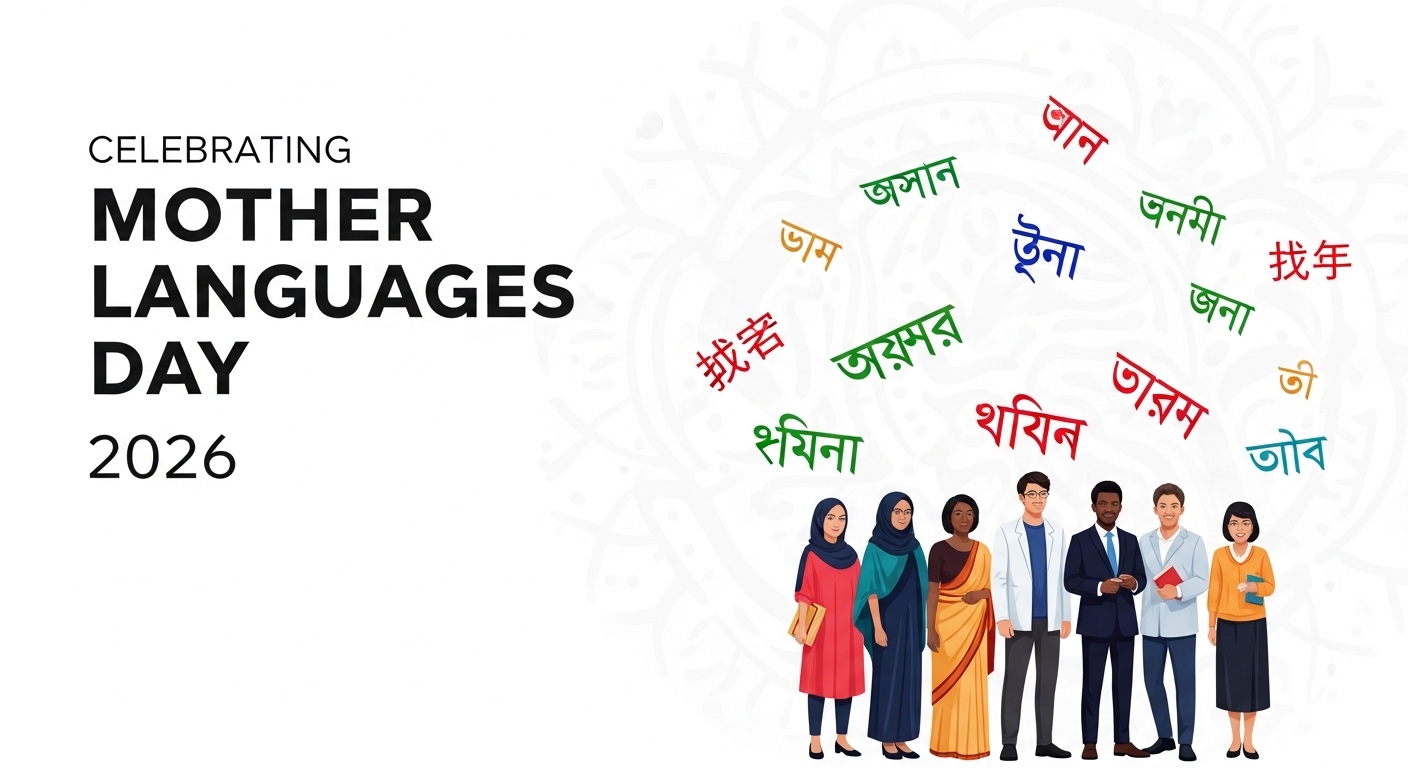
International Mother Language Day is observed on 21st February every year to promote linguistic and cultural diversity around the world. It is a day to honor our mother tongues—the languages we first learned to speak—and to recognize their importance in shaping our identity, culture, and heritage.
This day is celebrated globally and reminds us that every language matters, and preserving linguistic diversity is crucial for maintaining cultural richness.
The Significance of International Mother Language Day
International Mother Language Day was established by UNESCO in 1999 to promote awareness of linguistic and cultural diversity and to encourage people to protect and preserve their mother languages.
Mother languages carry traditions, history, values, and knowledge that connect generations. Celebrating this day encourages respect for all languages and highlights the importance of education in one’s native language.
How to Celebrate International Mother Language Day
-
Learn About Your Mother Tongue: Explore the history, literature, and culture associated with your native language.
-
Teach Others: Share your language with children, friends, or colleagues.
-
Read Books or Poems: Enjoy literature, poetry, or folk stories in your mother language.
-
Organize Cultural Events: Schools, communities, and social groups often host events to celebrate linguistic diversity.
-
Social Media Awareness: Post messages, videos, or stories promoting the importance of mother languages.
Fun Ideas for 2026
-
Create a digital dictionary or phrasebook of your mother language for others to learn.
-
Host a storytelling session in your mother tongue with friends or family.
-
Participate in language competitions, poetry readings, or cultural programs.
-
Explore music, songs, and folklore in your native language.
-
Share your mother language with online communities to inspire appreciation and preservation.
Conclusion
International Mother Language Day is a celebration of language, culture, and identity. On 21st February 2026, take the opportunity to honor your mother tongue, learn something new, and promote linguistic diversity. Every language is a treasure, and preserving it helps keep our cultural heritage alive for generations to come.