
The beginning of Chaitra month in North India marks a spiritually powerful and culturally significant transition in the Hindu lunar calendar. Known as the first month of the traditional Hindu year in many North Indian regions, Chaitra symbolizes renewal, new beginnings, and sacred transformation. As winter fully recedes and spring blossoms in its full glory, the arrival of Chaitra ushers in hope, spiritual awakening, and ritual observances rooted in ancient Vedic traditions.
Chaitra’s commencement is not merely a change in calendar months; it represents the beginning of a new spiritual cycle. This period is associated with purification, prayer, discipline, and Ishti rituals—sacred fire offerings performed to invoke divine blessings for prosperity, health, and harmony.
The Lunar Significance of Chaitra in North India
In the North Indian Purnimanta lunar calendar system, the month of Chaitra begins after the full moon of Phalguna. This differs from the Amanta system followed in parts of South India, where the month begins after the new moon. In North India, Chaitra Shukla Pratipada—the first day of the bright fortnight—holds particular importance as it marks the beginning of the new year in many Hindu traditions.
Chaitra usually falls during March–April in the Gregorian calendar. Astrologically and spiritually, this time is considered highly auspicious because it aligns with the arrival of spring (Vasanta Ritu). The environment becomes vibrant with blooming flowers, fresh harvests, and gentle warmth. Nature itself seems to celebrate renewal, reflecting the deeper spiritual message of Chaitra.
Chaitra Shukla Pratipada: Hindu New Year in North India
The first day of Chaitra’s bright fortnight is widely celebrated as the Hindu New Year in several regions. In Maharashtra, it is observed as Gudi Padwa; in Karnataka and Andhra Pradesh as Ugadi; and in North India, it marks the beginning of the Vikram Samvat calendar.
The Vikram Samvat era is traditionally believed to have been established by King Vikramaditya. Though regional customs vary, the spiritual essence remains consistent—welcoming the new year with purity, devotion, and optimism.
Homes are cleaned thoroughly before the month begins. Temples organize special prayers, and families gather for rituals seeking blessings for the year ahead. Panchangas (Hindu almanacs) are consulted to understand planetary influences, festivals, and auspicious timings.
The day encourages individuals to set positive intentions, begin new ventures, and reflect on personal growth.
Ishti Rituals: Sacred Fire Offerings for Auspicious Beginnings
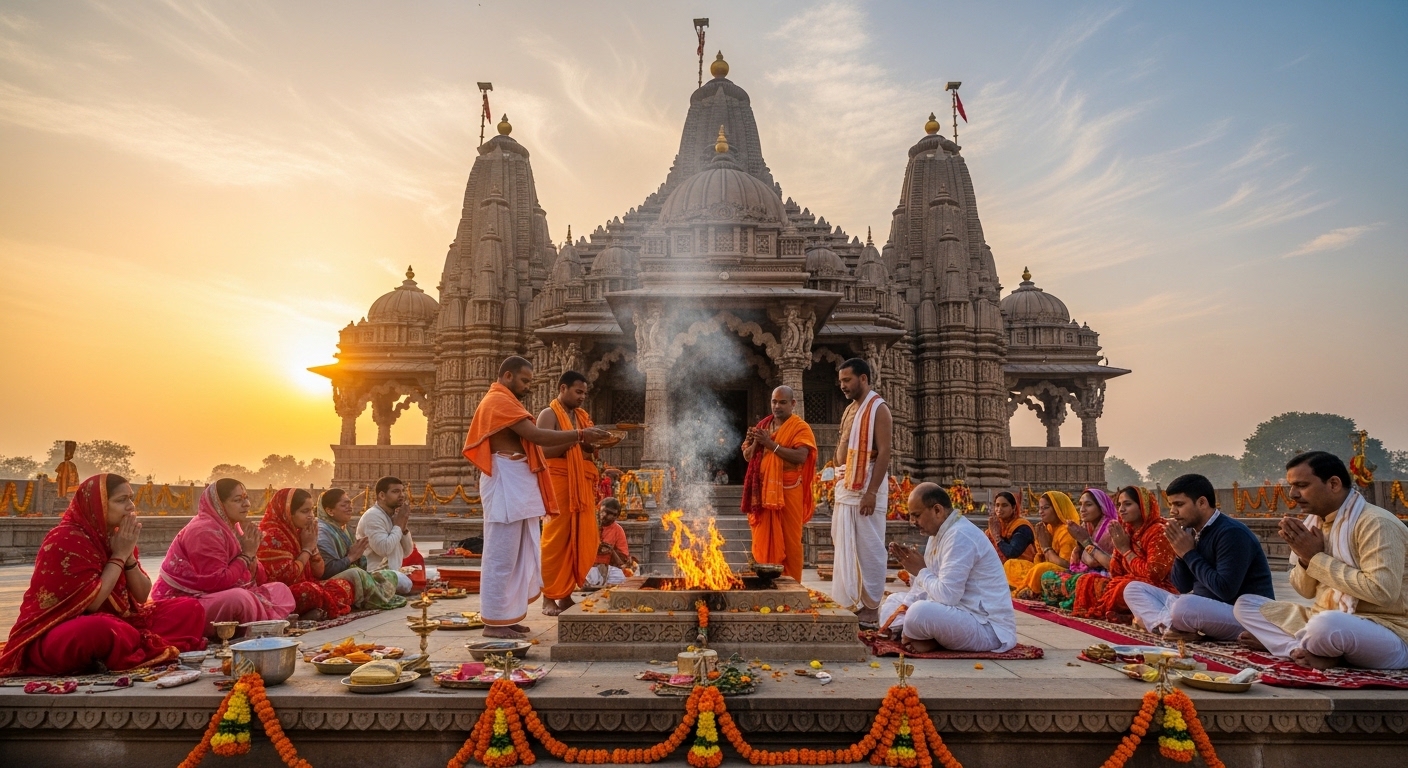
One of the most important Vedic rituals associated with the beginning of Chaitra is the Ishti ceremony. Derived from ancient Vedic traditions, Ishti refers to a special yajna or fire ritual performed to invoke divine energies.
In these rituals, offerings such as clarified butter (ghee), grains, and herbs are poured into the sacred fire while chanting Vedic mantras. The fire symbolizes Agni, the divine messenger who carries offerings to the gods.
The Chaitra Ishti ritual is believed to purify the environment and the participants’ inner consciousness. It is performed for various purposes—prosperity, peace, protection from negative influences, and spiritual elevation.
Priests often perform these rituals in temples or at home altars. Devotees sit around the sacred fire, chanting prayers and meditating on new beginnings. The ritual emphasizes gratitude for the past year and hope for the year ahead.
Spiritual Meaning of Chaitra Month
Chaitra represents rebirth and spiritual awakening. As the first month of the Hindu year, it symbolizes the cosmic cycle of creation. According to certain Hindu beliefs, Lord Brahma, the creator of the universe, began creation during this month.
This association makes Chaitra a deeply sacred period for meditation, study of scriptures, and acts of charity. The month encourages discipline and introspection. Many people take spiritual vows, begin new learning journeys, or intensify their devotional practices.
Chaitra also marks the beginning of Chaitra Navratri, a nine-day festival dedicated to Goddess Durga. Devotees observe fasting, chant hymns, and seek divine feminine blessings for strength and prosperity.
Chaitra Navratri: The Festival Within the Month
A major highlight of Chaitra month is Chaitra Navratri, celebrated during the first nine days of the bright fortnight. These nine nights honor different forms of Goddess Durga, symbolizing feminine power, protection, and wisdom.
Temples across North India are beautifully decorated during this period. Devotees fast partially or completely, consume sattvic food, and participate in daily aartis. Ram Navami, the birth anniversary of Lord Rama, falls on the ninth day of this Navratri.
The spiritual discipline practiced during Chaitra Navratri aligns perfectly with the new year’s beginning. It reinforces the idea of purifying the body and mind before embarking on new journeys.
Agricultural and Seasonal Importance
Chaitra holds agricultural significance in North India. The Rabi crops begin reaching harvest stage, bringing relief and joy to farming communities. Fields filled with ripened wheat symbolize abundance and prosperity.
The seasonal shift from mild spring to warmer days encourages communities to prepare for the upcoming summer. Traditional diets during this period often include cooling foods and seasonal fruits.
The synchronization of agricultural cycles with lunar months highlights the deep connection between Hindu traditions and nature’s rhythms.
Temple Observances and Community Gatherings
The beginning of Chaitra month sees temples organizing special pujas, bhajans, and discourses. Devotees offer flowers, fruits, and sweets to deities, seeking blessings for health and success.
Community gatherings often include recitations of sacred texts such as the Ramayana, especially because Chaitra is closely associated with Lord Rama’s birth. Spiritual leaders deliver sermons focusing on righteous living and devotion.
In villages and towns, fairs and local celebrations may accompany the month’s beginning, blending spiritual observance with social bonding.
Astrological Importance of Chaitra
Astrologically, Chaitra is considered an ideal time to initiate new ventures. The waxing moon phase is believed to enhance growth and positive outcomes. Many people choose this period to start businesses, perform housewarming ceremonies, or make significant life decisions.
The alignment of lunar and solar energies during spring is thought to create a harmonious atmosphere for spiritual and material progress.
Consulting the Panchang at the start of Chaitra helps families understand auspicious dates (muhurat) for upcoming events.
Acts of Charity and Self-Discipline
Charity (daan) holds special importance during Chaitra. Donating food, clothes, and essentials to the needy is believed to multiply blessings. Acts of kindness performed during this month are said to yield long-term spiritual benefits.
Many individuals observe dietary discipline, wake up early for prayer, and dedicate time to meditation. This self-discipline aligns with the idea of starting the year with purity and clarity.
Cultural Diversity in Celebrating Chaitra
Though this blog focuses on North India, it is important to note that the beginning of Chaitra resonates across India in different forms. While North India follows the Purnimanta system, other regions may observe the new year slightly differently.
Despite variations, the central theme remains renewal and gratitude. Whether through Ishti rituals, Navratri fasting, or temple worship, the essence of Chaitra is universal—welcoming fresh beginnings with devotion.
Modern Relevance of Chaitra’s Beginning
In contemporary times, Chaitra’s arrival continues to hold deep relevance. Amid busy lifestyles, this month offers an opportunity to pause, reflect, and realign personal goals.
The symbolism of renewal encourages individuals to release past regrets and embrace new possibilities. Spiritual rituals like Ishti provide a sense of grounding and connection to tradition.
Families use this time to strengthen bonds, revisit cultural roots, and teach younger generations about ancestral customs.
The Inner Message of Chaitra
Beyond rituals and celebrations, Chaitra teaches a profound lesson about life’s cyclical nature. Every ending carries the seed of a new beginning. Just as nature rejuvenates itself, individuals can renew their thoughts, habits, and aspirations.
The sacred fire of Ishti symbolizes transformation. By offering grains and ghee into the flames, devotees symbolically surrender their fears and limitations. The rising smoke represents prayers ascending toward divine consciousness.
Chaitra encourages a mindset of gratitude, discipline, and hope—qualities essential for a fulfilling life.
Conclusion
The beginning of Chaitra in North India marks more than the start of a new lunar month; it signifies spiritual rebirth and cosmic renewal. Through Ishti rituals, temple worship, charity, and disciplined living, devotees align themselves with the divine rhythms of the universe.
As spring blossoms across fields and gardens, Chaitra reminds us to cultivate inner growth. It invites us to purify our intentions, strengthen our faith, and step into the new year with courage and optimism.
In essence, Chaitra’s commencement stands as a sacred gateway—a time to honor tradition, embrace renewal, and begin life’s next chapter with devotion and clarity.