
February 2027 is a spiritually significant month in the Hindu calendar, marked by a blend of fasting rituals, devotional observances, seasonal transitions, and cultural celebrations. This month falls mainly in the lunar months of Magha and Phalguna, a period considered highly auspicious for spiritual practices, cleansing rituals, and prayers for prosperity and wisdom.
This complete guide covers all major Hindu festivals in February 2027, including their dates, rituals, and significance, presented in a clear and reader-friendly format.
Hindu Calendar Context
The festivals in this month are divided across:
- Krishna Paksha (waning moon phase), associated with fasting, reflection, and ancestral rituals
- Shukla Paksha (waxing moon phase), associated with celebrations, new beginnings, and devotion
February also marks important solar transitions, making it spiritually and culturally meaningful.
Early February Festivals
Shattila Ekadashi and Krishna Kurma Dwadashi (February 2)
Shattila Ekadashi is dedicated to Lord Vishnu and emphasizes charity and purification.
Rituals:
- Observing a strict fast
- Offering sesame seeds in charity
- Chanting prayers
Significance:
It is believed to cleanse sins and bring spiritual upliftment.
Budha Pradosh Vrat and Masik Shivaratri (February 3–4)
These observances are dedicated to Lord Shiva.
Rituals:
- Evening prayers
- Fasting
- Offering milk and sacred leaves
Significance:
They promote mental peace and spiritual discipline.
Mauni Amavasya and Magha Amavasya (February 6)
One of the most important spiritual days of the month.
Rituals:
- Silence and meditation
- Holy river bathing
- Ancestor offerings
- Charity
Significance:
It is considered highly powerful for spiritual purification and ancestral peace.
Beginning of Shukla Paksha
Magha Navratri and Chandra Darshana (February 7–8)
Marks the beginning of a new lunar cycle.
Rituals:
- Devotional worship of Goddess Durga
- Moon sighting rituals
- Prayers for renewal
Significance:
Represents new energy and spiritual beginnings.
Mid-February Festivals
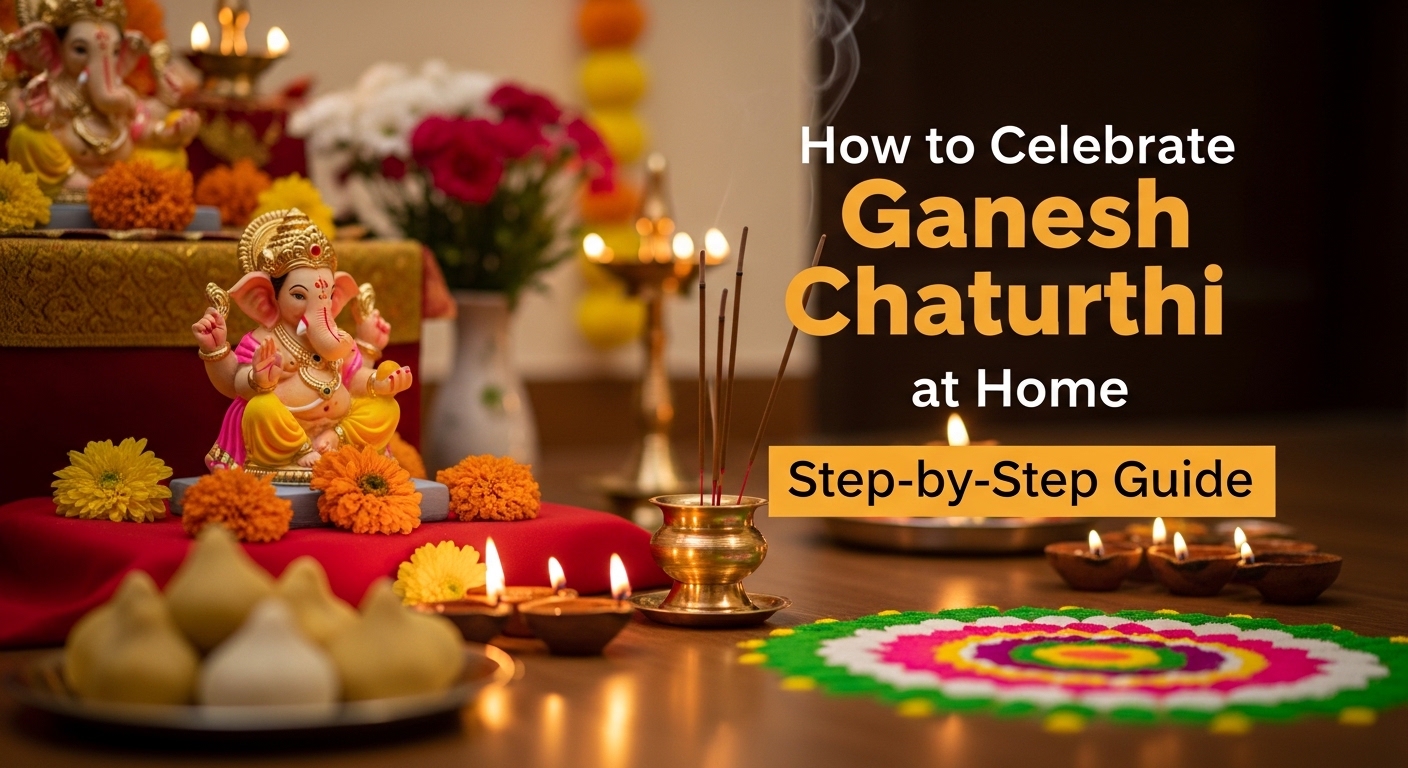
Ganesha Jayanti (February 10)
Dedicated to Lord Ganesha.
Rituals:
- Fasting
- Worship of Ganesha idols
- Offering sweets
Significance:
Removes obstacles and brings success.
Vasant Panchami and Saraswati Jayanti (February 11)
A major festival dedicated to Goddess Saraswati.
Rituals:
- Worship of books and instruments
- Yellow-colored offerings
- Chanting prayers
Significance:
Represents knowledge, learning, and wisdom.
Skanda Sashti (February 12)
Dedicated to Lord Kartikeya.
Rituals:
- Fasting
- Temple prayers
Significance:
Symbolizes courage and victory over negativity.
Ratha Saptami, Narmada Jayanti, and Kumbha Sankranti (February 13)
A powerful solar and spiritual transition day.
Rituals:
- Holy baths at sunrise
- Sun worship
- Charity
Significance:
Represents purification and energy renewal.
Bhishma Ashtami and Masik Durgashtami (February 14)
Dedicated to Bhishma and Goddess Durga.
Rituals:
- Prayers and fasting
- Devotional offerings
Significance:
Focuses on strength, discipline, and devotion.
Mid-Month Observances
Jaya Ekadashi (February 17)
Dedicated to Lord Vishnu.
Rituals:
- Fasting
- Prayer and chanting
Significance:
Believed to remove past karmic burdens.
Bhishma Dwadashi and Guru Pradosh Vrat (February 18)
Rituals:
- Shiva worship
- Evening prayers
Significance:
Encourages discipline and devotion.
Chhatrapati Shivaji Maharaj Jayanti (February 19)
A historic remembrance day.
Significance:
Honors bravery, leadership, and cultural pride.
Full Moon Festival Period
Magha Purnima (February 20)
One of the most sacred full moon days.
Rituals:
- Holy bathing
- Charity and donations
- Fasting and prayers
Significance:
Represents spiritual completion and purification.
Guru Ravidas Jayanti and Lalita Jayanti (February 20)
Dedicated to spiritual teachers and divine feminine energy.
Masi Magam (February 20)
A Tamil tradition focused on purification rituals.
Transition into Phalguna Month
Phalguna Begins and Lunar Eclipse Observance (February 21)
Marks the beginning of a new lunar month.
Significance:
Represents transformation and spiritual transition.
Attukal Pongal (February 22)
A major festival in Kerala dedicated to Goddess worship.
Rituals:
- Large community cooking
- Devotional singing
- Temple offerings
Significance:
Celebrates feminine power and devotion.
Late February Observances
Dwijapriya Sankashti (February 24)
Dedicated to Lord Ganesha.
Rituals:
- Fasting until moonrise
- Worship and prayers
Significance:
Removes obstacles and strengthens faith.
Yashoda Jayanti (February 26)
Honors the mother of Lord Krishna.
Significance:
Represents unconditional love and motherhood.
Shabari Jayanti and Masik Krishna Janmashtami (February 27)
Dedicated to devotion and faith.
Significance:
Highlights pure devotion and spiritual strength.
Janaki Jayanti and Kalashtami (February 28)
Dedicated to Goddess Sita and Lord Shiva.
Rituals:
- Fasting and prayers
- Temple visits
Significance:
Represents purity, strength, and devotion.
Cultural and Spiritual Importance
February 2027 reflects a powerful combination of:
- Deep spiritual fasting rituals
- Worship of divine knowledge, strength, and devotion
- Seasonal and solar transitions
- Cultural unity across regions
It is a month that encourages inner reflection and spiritual discipline.
Practical Tips for Observing Festivals
- Maintain cleanliness and a peaceful mindset
- Understand the meaning behind rituals
- Participate with sincerity and devotion
- Practice charity and kindness
- Follow traditions with awareness, not obligation
Conclusion
February 2027 is a spiritually rich month filled with meaningful Hindu festivals that blend devotion, discipline, and celebration. From Ekadashi fasting rituals to Vasant Panchami’s celebration of knowledge and Magha Purnima’s spiritual cleansing, each festival offers deep cultural and spiritual value.
By understanding their dates, rituals, and significance, you can observe these festivals with greater awareness and connection. Whether through fasting, prayer, or simple devotion at home, these traditions continue to inspire spiritual growth and cultural harmony.