
Phalguna Shukla Purnima is one of the most spiritually vibrant and culturally rich full moon days in the Hindu calendar. Falling in the month of Phalguna (February–March), this auspicious day marks the culmination of the waxing lunar phase (Shukla Paksha) and carries immense religious, seasonal, and social significance. It is widely celebrated across India and in Hindu communities worldwide, most prominently as Holi, the festival of colors. However, beyond the joyful splashes of color lies deep spiritual symbolism, ancient legends, and profound philosophical meaning.
This sacred full moon represents renewal, devotion, divine love, and the victory of righteousness over evil. It bridges the transition from winter to spring and prepares devotees for new beginnings with purified hearts and minds.
The Lunar and Seasonal Significance of Phalguna Shukla Purnima
In the traditional Hindu lunisolar calendar, Phalguna is the twelfth and final month of the year in many regional systems. The full moon day (Purnima) of this month is especially significant because it symbolizes completion and fulfillment. Spiritually, the full moon represents illumination, clarity, and the fullness of consciousness.
Seasonally, Phalguna Shukla Purnima coincides with the arrival of spring (Vasanta Ritu). Nature awakens from winter’s dormancy, trees blossom, crops ripen, and the air carries a sense of freshness and vitality. The external transformation of nature mirrors the internal renewal encouraged by this sacred day. Devotees are inspired to let go of negativity, cleanse their minds, and embrace positivity and joy.
Holika Dahan and the Legend of Prahlada
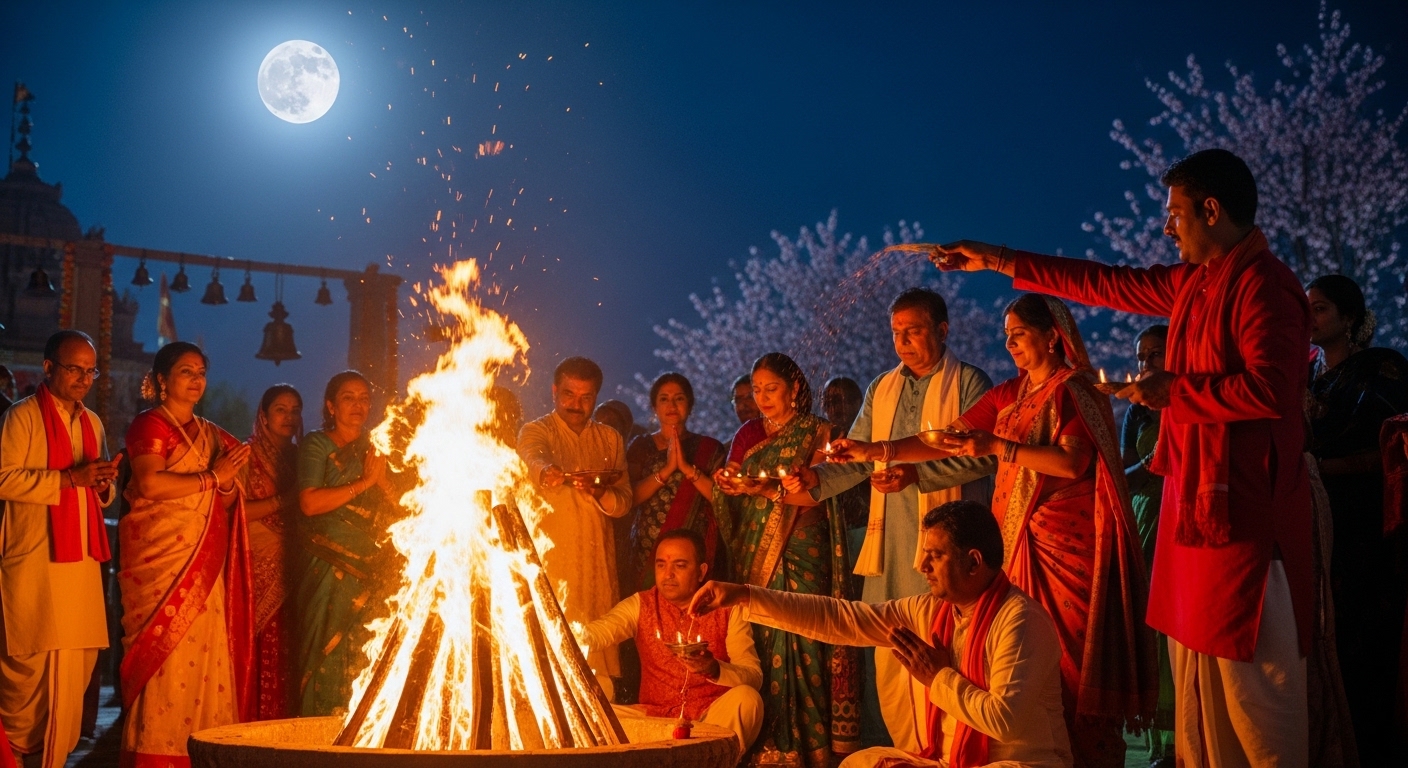
One of the central observances of Phalguna Shukla Purnima is Holika Dahan, performed on the evening before the celebration of Holi. This ritual bonfire commemorates a powerful legend from the Puranas.
According to Hindu mythology, there once lived a demon king named Hiranyakashipu who desired to be worshipped as a god. However, his own son Prahlada remained devoted to Lord Vishnu. Enraged by his son’s unwavering devotion, the king attempted several times to kill him. Ultimately, he enlisted the help of his sister Holika, who possessed a boon that made her immune to fire.
Holika tricked Prahlada into sitting on her lap in a blazing fire, believing she would survive while he would perish. Yet, divine grace intervened. Prahlada remained unharmed due to his devotion, while Holika was consumed by the flames. This event symbolizes the triumph of faith and righteousness over arrogance and evil.
On Phalguna Shukla Purnima, communities gather around bonfires to reenact this victory of good over evil. The ritual signifies the burning away of negativity, ego, and impurities from one’s life.
The Celebration of Holi
The day following Holika Dahan is celebrated as Holi, one of the most joyous and widely recognized festivals in India. Known as the festival of colors, Holi transforms cities, towns, and villages into vibrant landscapes of laughter and celebration.
People smear each other with colored powders (gulal), splash colored water, sing traditional songs, dance, and share festive sweets. The spirit of Holi breaks down social barriers—differences of caste, class, and status momentarily dissolve in the shared joy of celebration.
Holi also has strong associations with the divine love of Radha and Krishna. In the region of Braj, especially in Mathura and Vrindavan, Holi is celebrated with unique devotion, reenacting the playful leelas of Krishna with the gopis.
The playful throwing of colors symbolizes the many hues of life—love, compassion, happiness, and unity. Spiritually, it reminds devotees to embrace diversity and celebrate the beauty of existence.
Phalguna Purnima and the Worship of Lord Vishnu
Apart from Holi, Phalguna Shukla Purnima is also a significant day for the worship of Lord Vishnu and Satyanarayana. Many devotees observe Satyanarayana Vrat on this full moon day, offering prayers and performing special pujas for prosperity, peace, and fulfillment of wishes.
The Satyanarayana Katha, which narrates stories emphasizing truthfulness and devotion, is recited in homes and temples. The vrat encourages devotees to live righteous lives and remain committed to truth (satya).
Fasting on Purnima is considered spiritually purifying. Devotees abstain from certain foods, meditate, chant mantras, and engage in acts of charity. The full moon’s energy is believed to amplify spiritual practices, making prayers more powerful and intentions clearer.
Connection with Chaitanya Mahaprabhu
Phalguna Shukla Purnima also marks the birth anniversary of Sri Chaitanya Mahaprabhu, a revered saint and the founder of the Gaudiya Vaishnavism tradition. Born in 1486 in Nadia (West Bengal), Chaitanya Mahaprabhu propagated the path of bhakti (devotion) through the chanting of the holy names of Krishna.
His teachings emphasized unconditional love for God, humility, and collective singing of kirtans. On this day, devotees celebrate Gaura Purnima, remembering his life and spiritual contributions. Temples dedicated to him organize special kirtans, processions, and discourses.
Gaura Purnima reinforces the message that divine love transcends all social divisions and that chanting the names of God can lead to spiritual liberation.
Rituals and Observances on Phalguna Shukla Purnima
The rituals associated with this sacred day vary across regions but share common spiritual themes:
Morning Bath and Purification
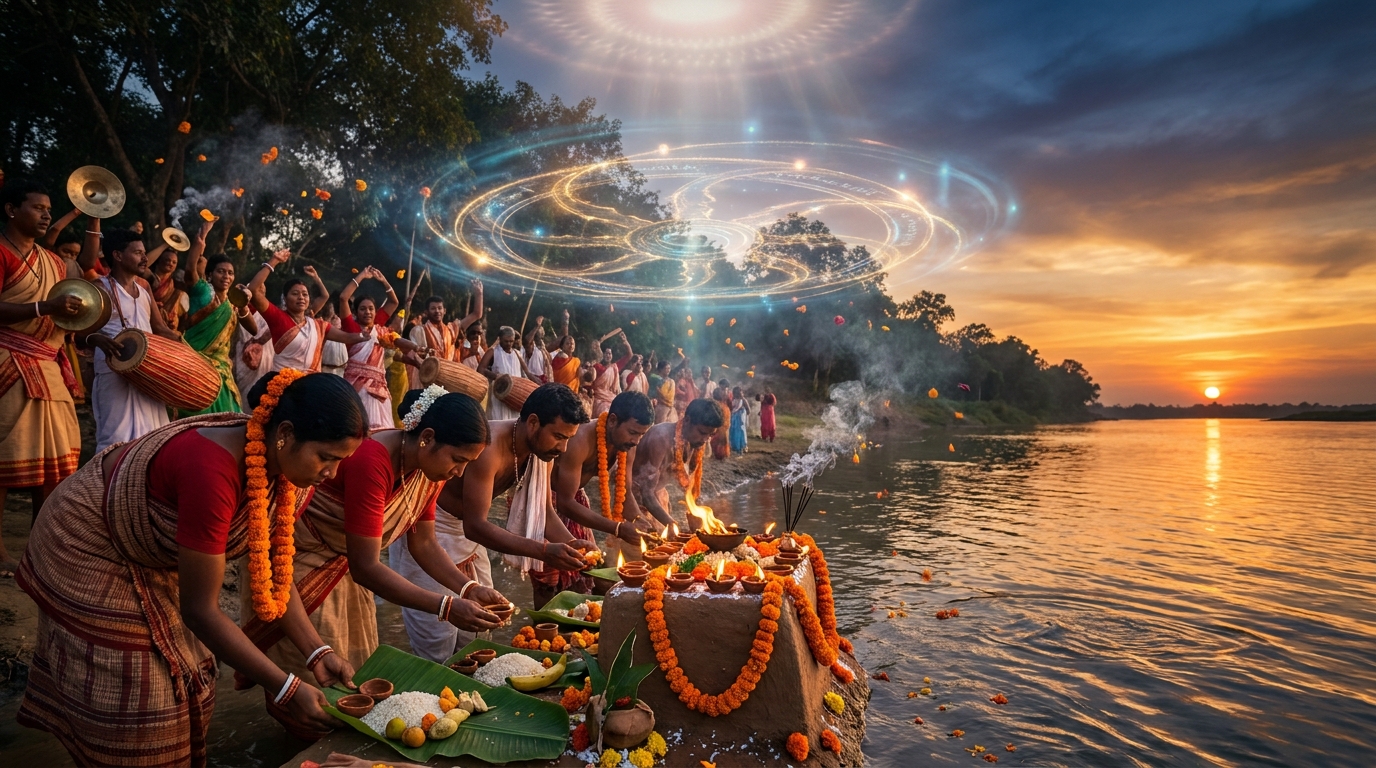
Devotees wake up early and take a holy bath, often in sacred rivers such as the Ganga, Yamuna, or other local water bodies. Bathing on Purnima is believed to cleanse sins and purify the soul.
Fasting and Prayer
Many observe a fast either partially or completely. They offer prayers to Vishnu, Krishna, and other deities, seeking blessings for health, prosperity, and spiritual growth.
Charity and Donations
Acts of charity are considered highly meritorious on this day. Donating food, clothes, and money to the needy reflects the spirit of compassion and gratitude.
Bonfire Ritual (Holika Dahan)
Communities gather around the bonfire, perform rituals, circumambulate the fire, and offer grains and coconuts. The ritual symbolizes surrendering ego and negativity to the flames.
Celebration with Colors
On the following day, people celebrate Holi with enthusiasm, spreading joy and harmony.
Symbolism and Spiritual Meaning
Phalguna Shukla Purnima carries multiple layers of symbolism:
Victory of Good Over Evil
The story of Prahlada demonstrates that unwavering faith and righteousness ultimately triumph over arrogance and wrongdoing.
Renewal and Rebirth
As spring arrives, nature renews itself. Similarly, individuals are encouraged to let go of past grievances and start anew.
Unity and Equality
Holi dissolves social boundaries and fosters unity. The festival teaches acceptance and celebration of diversity.
Divine Love
The association with Krishna and Radha highlights the beauty of unconditional love and devotion.
Illumination and Fulfillment
The full moon represents spiritual illumination. It is a reminder of completeness and the infinite potential within each individual.
Regional Variations in Celebration
Different regions of India celebrate Phalguna Shukla Purnima with unique customs.
In North India, especially Uttar Pradesh and Rajasthan, Holi is marked by grand processions, music, and traditional performances. In Barsana, the famous Lathmar Holi reenacts playful traditions associated with Radha and Krishna.
In West Bengal and Odisha, Gaura Purnima celebrations honor Chaitanya Mahaprabhu with devotional singing and temple festivities.
In Maharashtra and Gujarat, families perform Holika Dahan rituals with devotion and celebrate Rang Panchami a few days later.
In South India, though Holi is less intense compared to northern regions, the spiritual observances of Purnima, fasting, and Satyanarayana puja remain significant.
Agricultural and Social Importance
Phalguna Shukla Purnima also has agricultural importance. It marks the end of the Rabi crop season in many parts of India. Farmers celebrate the harvest and express gratitude for nature’s abundance.
Socially, the festival strengthens community bonds. Families reunite, neighbors forgive past conflicts, and friendships are renewed. The collective celebration fosters harmony and shared joy.
Modern Relevance of Phalguna Shukla Purnima
In today’s fast-paced world, Phalguna Shukla Purnima offers a reminder of timeless values—faith, love, forgiveness, and unity. The rituals encourage introspection and the cleansing of emotional burdens. The celebration of colors promotes inclusivity and the joy of shared humanity.
However, modern celebrations increasingly emphasize eco-friendly practices. Natural colors, water conservation, and mindful festivities ensure that the spirit of the festival aligns with environmental responsibility.
The deeper message remains unchanged: burn negativity, embrace renewal, and celebrate life with gratitude.
Conclusion
Phalguna Shukla Purnima is far more than a full moon day in the Hindu calendar. It is a confluence of mythology, devotion, seasonal transition, and social harmony. Through the rituals of Holika Dahan, the joyous celebration of Holi, the observance of Satyanarayana Vrat, and the remembrance of Chaitanya Mahaprabhu, this sacred day unites spiritual depth with vibrant festivity.
It teaches that devotion protects the faithful, love transcends divisions, and goodness ultimately prevails. As the full moon shines brightly in the Phalguna sky, it invites everyone to illuminate their hearts, forgive past wrongs, and welcome the colors of new beginnings.
In essence, Phalguna Shukla Purnima stands as a timeless celebration of renewal, divine love, and the eternal triumph of light over darkness.